Technical Translation Services: Everything Global Businesses Need to Know
Expanding into international markets requires more than simply translating words—it demands accurate, industry-specific communication. Technical translation services help businesses translate specialized documents such as engineering manuals, software documentation, product specifications, medical device instructions, safety manuals, patents, and technical reports while preserving their original meaning, terminology, and regulatory compliance.
Unlike general translation, technical translation requires both linguistic expertise and subject-matter knowledge. Even a minor error in a technical manual, engineering drawing, or software guide can lead to operational issues, safety risks, regulatory non-compliance, financial losses, or customer dissatisfaction.
Whether your organization operates in engineering, manufacturing, healthcare, pharmaceuticals, information technology, automotive, aerospace, telecommunications, or energy, investing in professional technical document translation services ensures that your global customers, partners, and employees receive clear, consistent, and technically accurate information.
At MyTranscriptionPlace, we combine experienced professional translators with industry specialists to deliver reliable technical translation services that help businesses communicate confidently across international markets while maintaining technical precision and consistency.
Technical Translation Services at a Glance
What Are Technical Translation Services?
Technical translation services involve translating specialized documents that contain industry-specific terminology, technical concepts, engineering specifications, scientific information, or operational instructions from one language into another while maintaining complete accuracy and clarity.
Unlike general translation, technical translation requires translators to understand not only the source and target languages but also the technical subject matter. Documents often include complex terminology, measurements, diagrams, safety instructions, legal requirements, and standardized processes that must remain consistent throughout the translation.
Professional technical document translation services are widely used by organizations that operate internationally and need multilingual documentation for customers, employees, distributors, manufacturers, regulators, or business partners.
At MyTranscriptionPlace, our professional translators collaborate with subject-matter experts to ensure every translated document accurately reflects the original content while remaining culturally appropriate and easy to understand for the intended audience.
Technical Translation Explained Simply
In simple terms, technical translation means converting specialized technical information from one language into another without changing its meaning.
For example:
Translating an engineering equipment manual from English to German
Translating software user documentation into Japanese
Translating medical device instructions into French
Translating manufacturing process documentation into Spanish
Translating installation guides into Arabic
The goal is not just to translate words but to preserve the technical meaning, terminology, formatting, measurements, and compliance requirements so the document functions exactly as intended in every language.
What Types of Documents Require Technical Translation?
Global businesses rely on technical translation services for a wide range of specialized documents. These documents often contain complex terminology that requires translators with industry-specific expertise.
Common documents requiring technical translation include:
Technical Manuals
Technical manuals explain how equipment, machinery, or systems should be installed, operated, maintained, or repaired. Accurate translation ensures users understand every instruction correctly, reducing operational risks and improving product usability.
Examples include:
Installation manuals
Maintenance manuals
Equipment manuals
Service manuals
Troubleshooting guides
User Manuals and Product Guides
Businesses selling products internationally must provide multilingual user manuals that help customers safely assemble, install, and use their products.
These may include:
Consumer electronics manuals
Home appliance guides
Industrial equipment manuals
Machinery operating instructions
Product setup guides
Engineering Documentation
Engineering documents require exceptional precision because even small translation errors can affect manufacturing, construction, or equipment performance.
Common engineering documents include:
Engineering reports
CAD documentation
Technical drawings
Equipment specifications
Mechanical documentation
Manufacturing instructions
Design specifications
Quality assurance documents
Professional engineering translation services ensure technical terminology remains consistent throughout every document.
Software Documentation
Modern software companies frequently launch products across multiple countries, making software localization and technical translation essential.
Software technical translation includes:
User interface (UI) translation
Software manuals
API documentation
Help center documentation
Installation guides
Release notes
Administrator guides
Knowledge base articles
Professional software technical translation improves user experience while maintaining consistent terminology throughout the application.
Safety Documentation
Safety documents must be translated accurately because they protect employees, customers, and equipment.
Examples include:
Safety manuals
Hazard communication documents
Risk assessments
Emergency procedures
Warning labels
Compliance documentation
Workplace safety instructions
Product Specifications
Manufacturers often translate technical specifications when entering new international markets.
These documents may include:
Technical specifications
Material data sheets
Product catalogs
Performance specifications
Product compliance documents
Quality control reports
Research and Scientific Documents
Research organizations, laboratories, and universities frequently require professional technical translation for scientific publications and research documentation.
Examples include:
Research papers
Laboratory reports
Clinical documentation
Scientific journals
Technical publications
White papers
Patent and Intellectual Property Documents
Patent translation requires legal and technical expertise to preserve intellectual property rights across international jurisdictions.
Common patent-related documents include:
Patent applications
Patent specifications
Innovation reports
Technical invention descriptions
Intellectual property documentation
Industries That Require Technical Translation Services
Technical translation plays an essential role across numerous industries where accuracy, compliance, and technical precision are critical.
Engineering
Engineering companies rely on technical translation to communicate design specifications, manufacturing processes, maintenance procedures, and engineering reports across global teams and customers.
Typical engineering translation projects include:
Mechanical engineering
Civil engineering
Electrical engineering
Structural engineering
Industrial engineering
Manufacturing
Manufacturers require multilingual documentation for factories, distributors, suppliers, and end users.
Common manufacturing documents include:
Production manuals
Standard Operating Procedures (SOPs)
Assembly instructions
Equipment manuals
Inspection reports
Quality documentation
Information Technology
Technology companies depend on professional technical translation to support global software deployments and multilingual customer experiences.
Typical IT translation projects include:
Software documentation
Cloud platform documentation
Cybersecurity guides
API documentation
Technical support articles
System administration manuals
Healthcare and Medical Devices
Healthcare organizations require highly accurate technical translations to ensure patient safety and regulatory compliance.
Common healthcare documents include:
Medical device manuals
Equipment instructions
Clinical documentation
Laboratory procedures
Regulatory submissions
Pharmaceutical documentation
Automotive Industry
Automotive manufacturers translate technical documents for production facilities, dealerships, suppliers, and customers worldwide.
Examples include:
Vehicle repair manuals
Service documentation
Parts catalogs
Maintenance guides
Safety documentation
Technical specifications
Aerospace and Aviation
The aerospace industry depends on precise technical documentation to maintain operational safety and international compliance.
Typical documents include:
Aircraft maintenance manuals
Flight operation documentation
Engineering specifications
Technical bulletins
Inspection procedures
Energy and Utilities
Energy companies require multilingual technical documentation for infrastructure, equipment, and operational safety.
Common documents include:
Plant operating manuals
Equipment maintenance documentation
Safety procedures
Environmental reports
Technical inspection reports
Telecommunications
Telecommunication providers use technical translation for global network deployment and customer support.
Examples include:
Network documentation
Installation manuals
Technical specifications
Equipment configuration guides
User documentation
Why Professional Technical Translation Matters?
For global businesses, technical translation is not simply a language service—it is a business-critical process that ensures technical information remains accurate, compliant, and understandable across international markets.
Professional technical translation helps organizations:
Eliminate costly translation errors
Improve customer understanding and product usability
Maintain consistent technical terminology
Meet international regulatory requirements
Enhance operational safety
Support multilingual product launches
Strengthen brand credibility in global markets
Improve collaboration across international teams
Reduce legal and compliance risks
Deliver a better customer experience worldwide
As businesses continue expanding internationally, investing in professional technical document translation services is essential for ensuring that every manual, specification, software guide, and engineering document communicates the right message—accurately and consistently.
Why Technical Translation Matters for Global Businesses?
As businesses expand into international markets, technical communication becomes increasingly complex. Product manuals, engineering specifications, software documentation, safety procedures, and regulatory documents must be understood clearly by customers, employees, distributors, and regulatory authorities across different countries.
Unlike marketing content, technical documents leave little room for interpretation. A single mistranslated instruction or incorrect technical term can lead to product misuse, equipment failure, safety hazards, customer complaints, legal disputes, or regulatory penalties.
Professional technical translation services help organizations eliminate these risks by ensuring that every document accurately reflects the original content while meeting the linguistic, technical, and cultural expectations of the target audience.
Whether you're launching a new product overseas, translating manufacturing documentation, or localizing software for international users, accurate technical translation is essential for maintaining operational efficiency and protecting your brand reputation.
How Technical Translation Differs from General Translation
Although both involve converting content from one language to another, technical translation and general translation serve very different purposes.
For example, translating a marketing brochure allows room for creative wording, while translating an engineering manual requires every specification, measurement, warning, and instruction to remain technically accurate.
This is why businesses rely on professional technical translation services rather than general translation when handling specialized documentation.
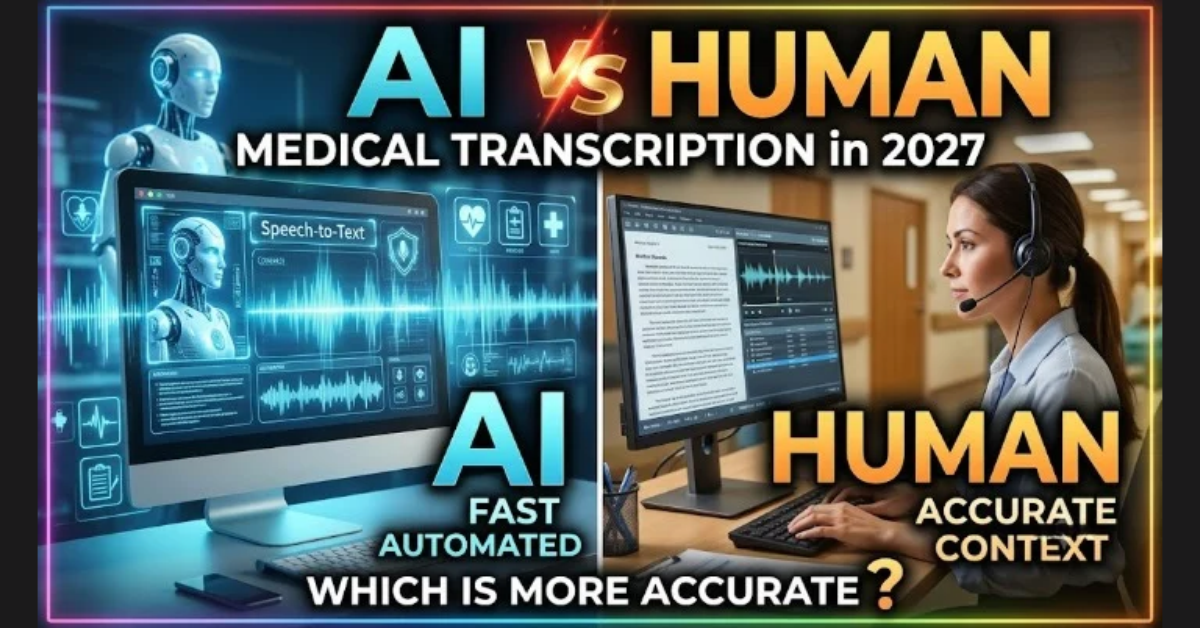
Why Human Technical Translation Is Better Than Machine Translation?
Artificial intelligence and machine translation tools have improved significantly in recent years. They can be useful for understanding simple content or creating initial drafts. However, when it comes to technical documentation, human expertise remains essential.
Technical documents often contain:
Specialized terminology
Industry abbreviations
Engineering calculations
Regulatory language
Safety instructions
Product-specific terminology
Complex sentence structures
Context-dependent meanings
Machine translation tools may translate words correctly but fail to interpret technical context accurately.
Human Translation vs AI Translation
For businesses operating in regulated industries such as healthcare, engineering, pharmaceuticals, aerospace, and manufacturing, professional human translation provides a higher level of reliability, accuracy, and accountability.
Our Technical Translation Process
At MyTranscriptionPlace, every project follows a structured workflow designed to ensure technical accuracy, terminology consistency, and high-quality results.
1. Document Assessment
The process begins with a detailed review of the source files to identify:
Industry domain
Target language(s)
Technical complexity
Formatting requirements
Required turnaround time
Regulatory considerations
This helps us assign the most suitable translator for the project.
2. Subject-Matter Expert Assignment
Every technical project is handled by translators with relevant industry expertise.
For example:
Engineering documents are translated by engineering specialists.
Medical documentation is handled by healthcare translators.
Software documentation is assigned to IT and software experts.
Manufacturing manuals are translated by industrial specialists.
Matching the translator's expertise to the subject matter improves terminology accuracy and document quality.
3. Professional Human Translation
Our translators carefully translate the content while preserving:
Technical terminology
Measurements
Units
Symbols
Product names
Technical concepts
Formatting
Document structure
The objective is to ensure the translated document communicates exactly what the original intended.
4. Terminology Management
Consistency is critical in technical documentation.
Our team uses approved terminology databases, glossaries, and translation memory tools to ensure that technical terms remain consistent throughout the project, especially for large manuals or multilingual documentation.
5. Editing and Proofreading
Every translation undergoes a comprehensive review to verify:
Grammar
Technical accuracy
Industry terminology
Context
Formatting
Completeness
Consistency
This additional quality check helps eliminate errors before delivery.
6. Quality Assurance
Our quality assurance process includes:
Terminology validation
Formatting verification
Numerical accuracy checks
Compliance review
Final linguistic review
This ensures the final document is ready for professional use.
7. Final Delivery
Clients receive professionally translated documents in their preferred format, including:
Microsoft Word
PDF
Excel
PowerPoint
InDesign
XML
HTML
CAD-compatible formats (where applicable)
The translated documents are delivered with formatting preserved, making them ready for immediate use.
Key Benefits of Professional Technical Translation Services
Investing in professional technical translation provides long-term value for businesses operating globally.
Improves Accuracy
Professional translators understand technical terminology and industry concepts, reducing the likelihood of costly translation errors.
Ensures Regulatory Compliance
Many industries require documentation to comply with international regulations and standards.
Professional translation helps organizations meet these requirements more effectively.
Builds Customer Trust
Well-translated manuals and product documentation improve customer confidence by making products easier to understand and use.
Enhances Product Safety
Accurate translation of safety instructions, warnings, and operating procedures helps minimize risks associated with product misuse.
Supports International Expansion
Professional translation allows businesses to communicate effectively with customers, suppliers, and partners in new markets.
Maintains Brand Reputation
Consistent, high-quality multilingual documentation reflects professionalism and strengthens your company's global image.
Reduces Operational Costs
Accurate translations reduce customer support requests, product returns, and costly misunderstandings caused by unclear documentation.
Improves User Experience
Clear instructions enable customers to install, operate, and maintain products with confidence.
Common Challenges in Technical Translation
Technical translation involves much more than converting text between languages. Several challenges require specialized expertise.
Complex Technical Terminology
Many industries use highly specialized vocabulary that has no direct equivalent in another language.
Professional translators rely on subject-matter knowledge and standardized glossaries to ensure accurate terminology.
Industry-Specific Abbreviations
Technical documents often include abbreviations, acronyms, and symbols that vary across industries and regions.
Understanding their intended meaning is essential for accurate translation.
Regulatory Compliance
Certain industries have strict documentation standards.
Technical translators must ensure translated content complies with local regulations without altering the original meaning.
Unit and Measurement Conversion
Some documents require adapting measurements for international audiences.
Examples include:
Inches to millimeters
Pounds to kilograms
Fahrenheit to Celsius
Imperial to metric units
These conversions must be performed accurately where appropriate.
Maintaining Consistency
Large technical manuals may contain thousands of repeated terms.
Professional terminology management ensures every technical term remains consistent throughout the document.
Formatting Complex Documents
Technical documents often include:
Tables
Charts
Engineering drawings
Flow diagrams
Cross-references
Figures
Callouts
Maintaining the original formatting is essential for readability and usability.
Best Practices for Technical Translation
Organizations can improve translation quality by following these best practices:
Prepare clear and finalized source documents before translation.
Provide existing terminology lists or approved glossaries.
Use professional translators with relevant industry expertise.
Maintain consistency across multilingual documentation.
Include quality assurance and proofreading as part of the workflow.
Update translated documents whenever the original content changes.
Preserve diagrams, formatting, and technical illustrations during localization.
Review translated content with internal technical teams when necessary.
Following these practices helps ensure technical documentation remains accurate, compliant, and user-friendly across all target markets.
Why Accuracy Is Non-Negotiable in Technical Translation?
Technical documentation influences how products are built, installed, maintained, and used. A single mistranslated instruction can have significant consequences, including equipment damage, safety incidents, project delays, regulatory issues, or customer dissatisfaction.
For this reason, professional technical translation should always prioritize precision, consistency, and subject-matter expertise over speed alone.
At MyTranscriptionPlace, our experienced translators and industry specialists work together to deliver technically accurate translations that help businesses communicate effectively across languages while reducing risk and supporting successful global operations.
Why Choose MyTranscriptionPlace for Technical Translation Services?
Choosing the right technical translation partner is just as important as choosing the right language. Technical documents often contain specialized terminology, complex instructions, engineering concepts, and regulatory information that require more than linguistic expertise. A trusted translation provider helps ensure every document is accurate, consistent, and suitable for its intended audience.
At MyTranscriptionPlace, we provide professional technical translation services that combine experienced linguists with subject-matter experts across multiple industries. Our goal is to help businesses communicate technical information accurately while supporting international growth and regulatory compliance.
Whether you need technical document translation services, engineering translation services, technical manual translation, or software technical translation, we deliver translations that maintain the integrity and intent of your original content.
What Makes MyTranscriptionPlace Different?
Experienced Subject-Matter Experts
Technical translation requires a deep understanding of industry terminology and concepts. Our projects are assigned to translators with expertise in the relevant domain, ensuring accurate and contextually appropriate translations.
We support projects across industries such as:
Engineering
Manufacturing
Information Technology
Healthcare
Pharmaceuticals
Automotive
Aerospace
Telecommunications
Energy
Construction
Scientific Research
This specialized approach helps maintain technical precision throughout every document.
Professional Human Translation
While AI-powered translation tools can assist with basic content, technical documentation demands human expertise. Our professional translators understand technical terminology, context, and industry standards, helping reduce the risk of errors that automated tools may overlook.
Every translation is reviewed to ensure it accurately reflects the source content while remaining clear and natural for the target audience.
Consistent Technical Terminology
Maintaining consistency is essential for technical documentation, especially when translating large manuals, product catalogs, or multilingual documentation.
Our terminology management process helps ensure:
Consistent vocabulary
Standardized technical terms
Uniform product names
Accurate measurements
Reliable translations across multiple documents
This improves readability while supporting long-term documentation management.
Multi-Level Quality Assurance
Quality is built into every stage of our translation workflow.
Before delivery, every project undergoes multiple quality checks to verify:
Technical terminology
Linguistic accuracy
Grammar and spelling
Formatting
Completeness
Consistency
Numerical accuracy
This rigorous review process helps ensure every translated document meets professional quality standards.
Confidential and Secure Document Handling
Technical documents often contain proprietary information, confidential product designs, engineering specifications, research findings, or intellectual property.
At MyTranscriptionPlace, we treat every client project with strict confidentiality and follow secure document handling practices throughout the translation process.
Industries We Serve
Our technical translation services support organizations across a wide range of industries.
Engineering
Engineering companies rely on accurate multilingual documentation for machinery, equipment, manufacturing processes, and technical specifications.
Typical projects include:
Mechanical engineering manuals
Civil engineering reports
Electrical documentation
Technical specifications
Equipment installation guides
Manufacturing
Manufacturers require multilingual documentation to support production facilities, distributors, suppliers, and customers worldwide.
We translate:
Assembly instructions
Production manuals
Maintenance guides
Quality assurance documentation
Standard Operating Procedures (SOPs)
Information Technology
Technology companies frequently require software documentation for international users.
Our software technical translation services include:
User interfaces
API documentation
Software manuals
Technical support documentation
Knowledge base articles
Installation guides
Healthcare and Medical Devices
Healthcare organizations depend on highly accurate translations for medical equipment and regulatory documentation.
Common projects include:
Medical device manuals
Equipment instructions
Laboratory documentation
Clinical research materials
Product safety information
Automotive
Automotive companies require multilingual technical documentation throughout the product lifecycle.
Typical documents include:
Repair manuals
Service documentation
Parts catalogs
Technical specifications
Maintenance instructions
Energy and Utilities
Energy providers use technical translation for operational documentation, infrastructure projects, and safety compliance.
We support translation of:
Plant operating manuals
Equipment documentation
Safety procedures
Environmental reports
Technical inspection documents
Why Businesses Invest in Professional Technical Translation?
Professional technical translation offers measurable business value beyond accurate language conversion.
Businesses choose technical translation services to:
Launch products in international markets
Improve multilingual customer support
Reduce communication errors
Meet local regulatory requirements
Improve product safety
Protect intellectual property
Increase customer confidence
Enhance operational efficiency
Strengthen global brand credibility
Support international business growth
By investing in professional translation, organizations can communicate technical information more effectively while minimizing operational risks.
Technical Translation Use Cases
Professional technical translation supports numerous business scenarios.
Product Launches
Manufacturers launching products in multiple countries require translated user manuals, installation guides, safety documentation, and product specifications.
International Manufacturing
Global manufacturing organizations translate production manuals, engineering drawings, and quality documentation for overseas facilities.
Software Localization
Technology companies translate software interfaces, technical documentation, and help centers to improve the user experience for international customers.
Regulatory Compliance
Organizations entering regulated markets require multilingual documentation that complies with local standards and industry requirements.
Equipment Installation
Industrial equipment manufacturers translate installation manuals and maintenance guides to ensure technicians worldwide can safely install and operate machinery.
Research Collaboration
Research institutions and scientific organizations translate technical papers and laboratory documentation to support international collaboration.
Why Accuracy Builds Global Trust?
When customers receive clear, accurate technical documentation in their native language, they gain confidence in the product and the company behind it.
Accurate technical translation helps businesses:
Improve customer satisfaction
Reduce product misuse
Lower support costs
Minimize warranty claims
Increase customer retention
Strengthen international partnerships
Build long-term brand trust
In today's competitive global marketplace, accurate multilingual communication is a strategic advantage.
Key Takeaways
Before choosing a technical translation provider, remember these essential points:
Technical translation requires both language expertise and subject-matter knowledge.
Professional human translators provide greater accuracy than automated translation tools for complex technical content.
Consistent terminology is essential for manuals, engineering documents, software documentation, and product specifications.
Quality assurance helps ensure accuracy, compliance, and readability.
Professional technical translation reduces communication risks while supporting international business growth.
Conclusion
Technical translation is far more than translating words from one language into another. It is a specialized process that preserves the accuracy, clarity, and technical integrity of complex documents across languages and cultures.
From engineering manuals and software documentation to product specifications, research papers, and safety instructions, professional technical translation enables businesses to communicate effectively with global audiences while maintaining compliance and reducing operational risks.
Choosing an experienced translation partner ensures your documentation remains technically correct, consistent, and easy to understand—regardless of the target language or industry.
At MyTranscriptionPlace, we are committed to delivering high-quality technical translation services that combine linguistic expertise with industry knowledge. Our experienced translators, rigorous quality assurance processes, and customer-focused approach help businesses confidently expand into international markets with accurate multilingual documentation.
Whether you require technical document translation services, engineering translation services, technical manual translation, or software technical translation, our team is ready to help you communicate with precision and confidence.
Ready to Translate Your Technical Documents?
Expand your business globally with accurate, reliable, and professional technical translation services from MyTranscriptionPlace.
Our experts translate technical manuals, engineering documents, software documentation, product specifications, safety manuals, patents, and more while preserving technical accuracy, industry terminology, and regulatory compliance.
Contact MyTranscriptionPlace today to discuss your project and discover how our professional technical translation solutions can help your business communicate effectively across international markets.
Our Best Translation Services
English to Indonesian Translation | English to Spanish Translation | English to Italian Translation | English to Russian Translation | English to Danish Translation | English to Vietnamese Translation | English to Japanese Translation | English to Finnish Translation | English to Dutch Translation | English to Arabic Translation | English to Norwegian Translation | English to Greek Translation.
Frequently Asked Questions (FAQs)
1. What are technical translation services?
Technical translation services involve translating specialized documents such as engineering manuals, software documentation, product specifications, patents, safety manuals, and scientific reports while preserving technical terminology, accuracy, and context. Unlike general translation, technical translation requires subject-matter expertise to ensure the information remains technically correct and easy to understand.
2. What types of documents require technical translation?
Technical translation is commonly used for:
User manuals
Technical manuals
Engineering drawings
Product specifications
Software documentation
API documentation
Safety manuals
Standard Operating Procedures (SOPs)
Equipment installation guides
Maintenance manuals
Patents
Scientific research papers
Medical device documentation
Laboratory reports
Technical reports
3. Why are technical translation services important?
Technical translation helps businesses communicate specialized information accurately across different languages. It reduces misunderstandings, improves product safety, supports regulatory compliance, enhances customer experience, and enables successful international expansion.
4. How is technical translation different from general translation?
General translation focuses on everyday language and communication, while technical translation deals with specialized terminology used in industries such as engineering, healthcare, manufacturing, software, and science. Technical translation requires industry expertise in addition to language proficiency.
5. Which industries use technical translation services?
Industries that frequently require technical translation include:
Engineering
Manufacturing
Automotive
Aerospace
Healthcare
Pharmaceuticals
Medical Devices
Information Technology
Telecommunications
Construction
Energy
Oil & Gas
Biotechnology
Scientific Research
Electronics
6. What is technical document translation?
Technical document translation is the process of translating technical documents while maintaining the original meaning, terminology, formatting, measurements, and regulatory requirements. Examples include manuals, engineering specifications, software guides, and product documentation.
7. What is engineering translation?
Engineering translation involves translating engineering documents such as technical drawings, equipment manuals, manufacturing processes, design specifications, and engineering reports while preserving technical precision and industry terminology.
8. What is software technical translation?
Software technical translation includes translating software user interfaces, help documentation, API documentation, release notes, installation guides, user manuals, and technical support articles for multilingual users.

Nishi Singh
(Content Writer & SEO Manager)
She is an SEO Manager with over 8 years of experience in marketing and content creation. She specializes in SEO, content strategy, and paid advertisements, helping website owners across SaaS, B2B businesses, and e-commerce platforms achieve measurable growth. With a strong focus on driving organic traffic and crafting impactful content, Nishi has established herself as a trusted expert in the digital marketing space. When she's not optimizing websites, she channels her energy into marathon running, embracing challenges both on and off the track.