Technical translation services UK help businesses translate complex documents while preserving technical terminology, meaning, instructions, formatting, and industry-specific information. These services are widely used in engineering, manufacturing, pharmaceuticals, healthcare, technology, scientific research, and other specialist sectors.
Unlike general translation, technical translation requires more than language proficiency. Translators need an understanding of the subject matter, specialist terminology, industry standards, and the context in which the document will be used. Even a small error in a safety instruction, engineering specification, product manual, or pharmaceutical document can create misunderstandings, operational problems, or compliance risks.
At MyTranscriptionPlace, we provide professional technical translation services for organisations that need accurate, confidential, and consistent multilingual documentation. This guide explains what technical translation is, which industries use it, what documents can be translated, how the process works, and when certified translation may be required in the UK.
Quick Answer: What Are Technical Translation Services?
Technical translation services are specialist translation services for documents containing technical terminology, industry-specific information, specifications, instructions, regulations, or complex subject matter.
Common technical translation documents include:
User and instruction manuals
Engineering documentation
Technical specifications
Product documentation
Safety documents
Patents
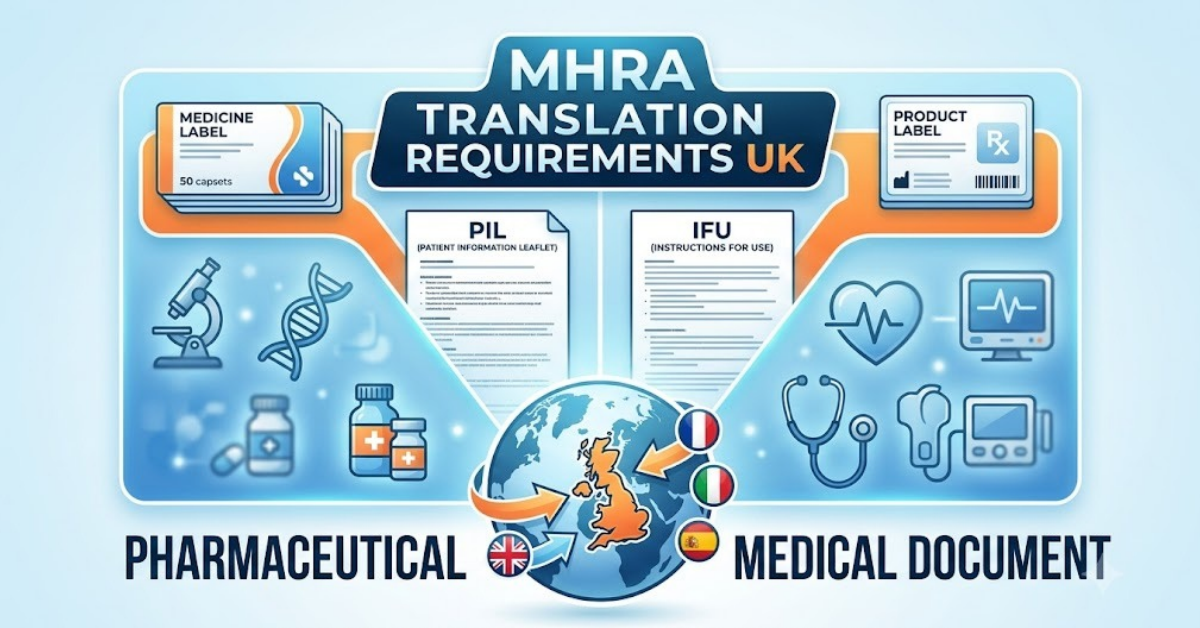
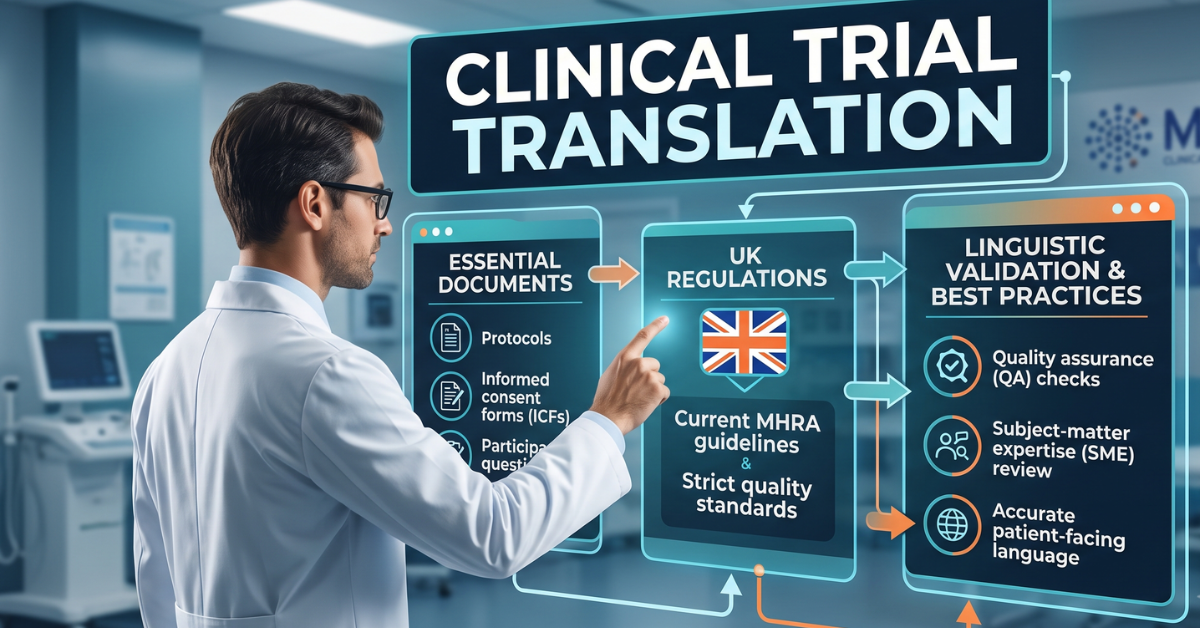
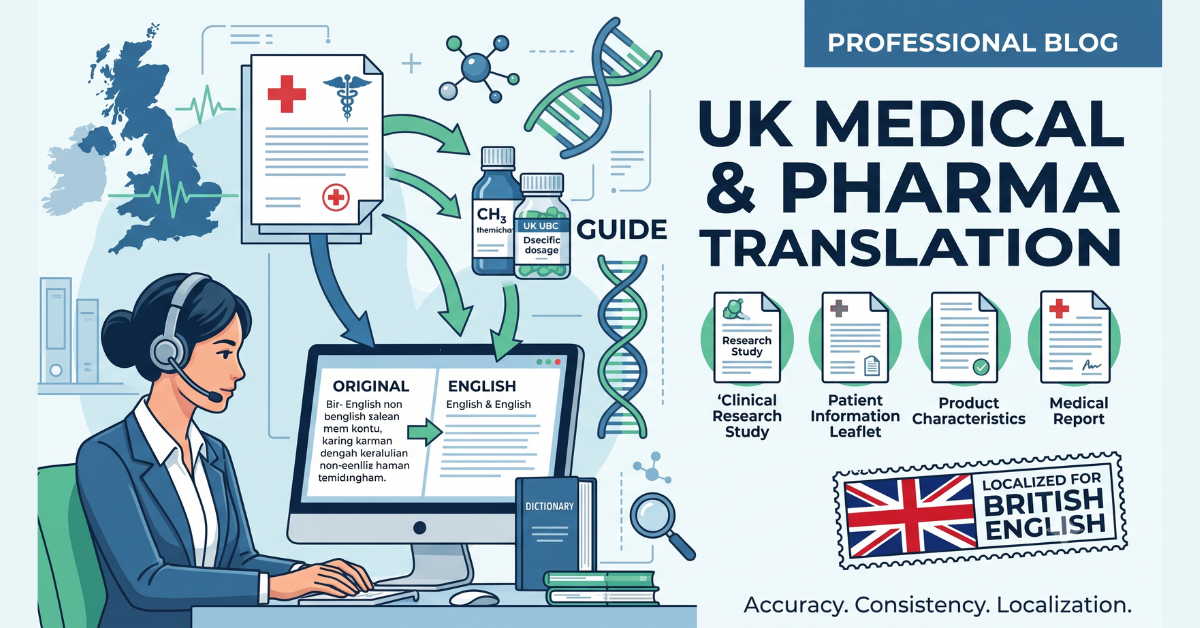
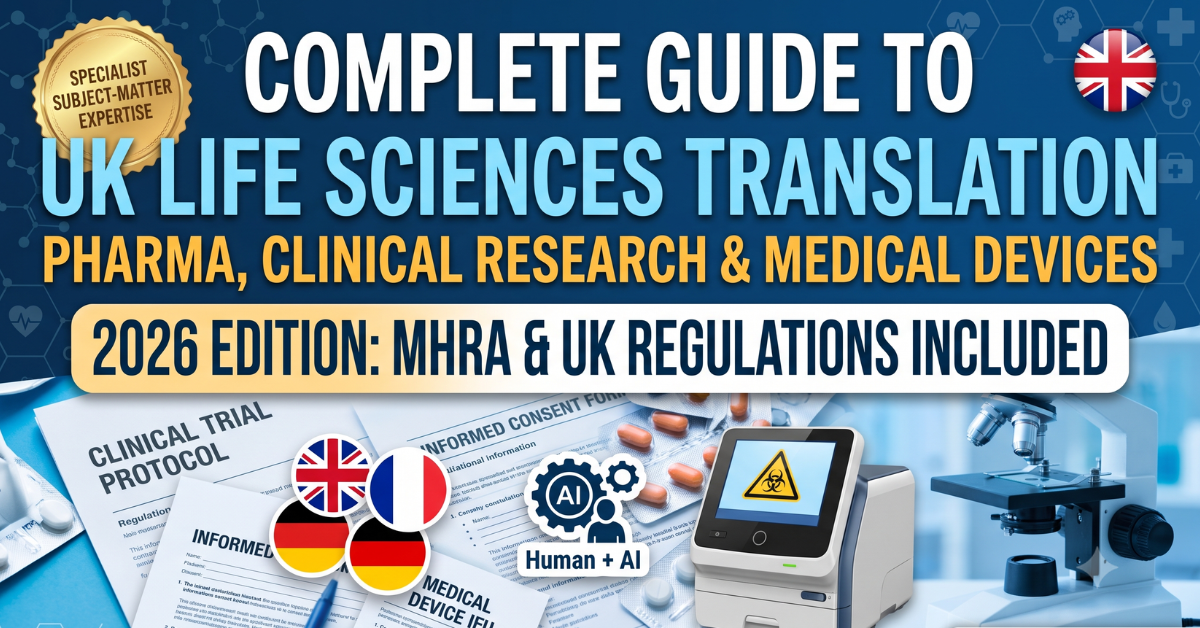
Pharmaceutical and medical documents
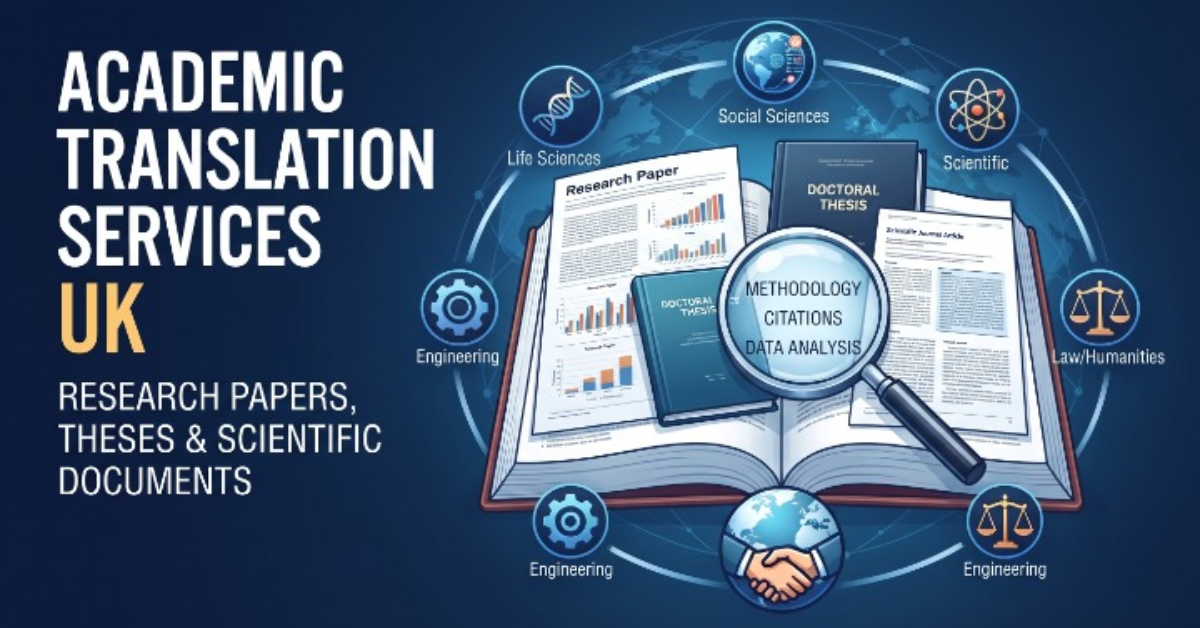
Scientific reports
Software documentation
Compliance documents
Training materials
Technical translation combines linguistic expertise with subject-matter knowledge to ensure that the translated content remains accurate, clear, consistent, and appropriate for its intended audience.
What Are Technical Translation Services in the UK?
Technical translation is the translation of specialist content that requires an understanding of technical terminology, concepts, processes, and industry-specific language.
A general translation may focus primarily on conveying the meaning and tone of everyday content. Technical translation requires greater attention to terminology, factual accuracy, instructions, measurements, abbreviations, specifications, and contextual meaning.
For example, translating an engineering manual requires an understanding of engineering terminology and processes. Similarly, translating pharmaceutical or medical-device documentation requires familiarity with the terminology and conventions used in those fields.
A professional technical translation provider should therefore consider both the language and the technical subject matter before translating a document.
What Is the Difference Between Technical Translation and General Translation?
The main difference is the level of specialist knowledge and terminology involved.
Technical translation is particularly important when a document contains information that users must understand and follow accurately.
Which Industries Need Technical Translation Services in the UK?
Many UK businesses and organisations rely on technical translation when they operate across international markets or communicate with multilingual customers, employees, suppliers, regulators, or partners.
Engineering
Engineering companies may require translation for:
Engineering manuals
Installation instructions
Equipment documentation
Maintenance manuals
Technical specifications
Safety instructions
Engineering reports
Product documentation
Accurate terminology is especially important when documents explain how machinery or equipment should be installed, operated, maintained, or repaired.
Manufacturing
Manufacturers may need multilingual versions of:
Product manuals
Operating instructions
Technical specifications
Quality-control documentation
Safety information
Production documentation
Training materials
Product information
Technical translation can help manufacturers maintain consistent product information across different markets.
Pharmaceutical and Healthcare
Pharmaceutical and healthcare organisations may require translation for:
Research documentation
Pharmaceutical reports
Medical-device documentation
Clinical research materials
Regulatory documents
Product information
Healthcare documentation
Technical reports
Because terminology and accuracy are particularly important in these sectors, specialist translation and thorough quality review can be valuable.
Technology and Software
Technology companies may translate:
Software documentation
User guides
Product documentation
Technical support content
Technical specifications
Knowledge-base content
Installation instructions
Help documentation
The translation process should preserve technical terminology while ensuring that the content remains understandable to the intended users.
Scientific Research
Research organisations and scientific businesses may require translation for:
Research reports
Scientific papers
Technical studies
Research documentation
Laboratory materials
Project documentation
Subject-matter familiarity can help translators accurately communicate specialist concepts and terminology.
Legal and Compliance
Technical content can also appear in legal and compliance documentation, including:
Technical contracts
Compliance documents
Regulatory materials
Intellectual property documents
Product-related legal documentation
Technical reports
The translator may need to understand both the technical subject and the terminology used in the relevant legal or regulatory context.
What Documents Can Technical Translators Translate?
A technical translation company can translate a wide range of specialist documents, depending on the subject matter, language pair, and translator expertise.
The translation provider should review the source material before starting the project to determine the appropriate translator, terminology requirements, formatting needs, and quality-control process.
How Does Technical Translation Work?
A professional technical translation project typically follows a structured workflow.
1. Document Assessment
The translation provider reviews the source document, language pair, subject matter, file format, word count, terminology, and project requirements.
2. Specialist Translator Assignment
The document is assigned to a translator with appropriate language skills and relevant subject-matter knowledge.
3. Terminology Management
Important technical terms, abbreviations, product names, measurements, and preferred terminology are identified to improve consistency throughout the project.
4. Translation
The specialist translator translates the document while preserving its meaning, terminology, structure, and intended purpose.
5. Quality Review
The translated content is reviewed for accuracy, terminology, grammar, consistency, formatting, and completeness.
6. Final Delivery
The completed translation is prepared in the agreed format and delivered according to the project requirements.
For large or ongoing projects, terminology management and consistent quality checks can help ensure that the same technical terms are translated consistently across multiple documents.
What Is a Certified Translation in the UK?
A certified translation is a translated document accompanied by a certification statement confirming that the translation is accurate and complete according to the requirements of the relevant certification process.
Certified translations may be requested when translated documents are submitted to organisations such as:
Universities
Government departments
Immigration authorities
Courts
Employers
Embassies or consulates
Professional organisations
However, not every technical document requires certification. Whether certification is needed depends on the organisation receiving the translated document and its specific requirements.
Before ordering a certified translation, it is important to confirm what type of certification the receiving organisation requires.
Do All Technical Documents Need Certified Translation?
No. Technical content does not automatically need to be certified simply because it is technical.
Certification is generally determined by the intended use of the translated document and the requirements of the organisation receiving it.
For example, an engineering company may need an accurate translation of an equipment manual for internal or commercial use without certification. In contrast, a translated document submitted to an official institution may have specific certification requirements.
If certification is required, the client should confirm the receiving authority's requirements before commissioning the translation.
Why Are Human Technical Translators Important?
Translation technology and AI can help businesses process content quickly, but specialist technical documents often benefit from human expertise and quality review.
Human technical translators can evaluate:
Industry-specific terminology
Context and meaning
Technical abbreviations
Ambiguous wording
Safety instructions
Regulatory terminology
Terminology consistency
Document structure and formatting
A human-in-the-loop approach can combine translation technology with specialist linguistic expertise and quality assurance. This can be particularly useful when accuracy and consistency are important.
At MyTranscriptionPlace, technical translation projects can benefit from specialist translators and a quality-review process designed to reduce errors and maintain consistency.
How Do You Choose a Technical Translation Company in the UK?
Businesses should consider several factors when selecting a technical translation provider.
Subject-Matter Expertise
Choose a provider that can assign translators with knowledge relevant to the technical field.
Language Expertise
The translator should have strong proficiency in both the source and target languages, with appropriate knowledge of the target audience.
Quality Assurance
Ask whether translations are reviewed for terminology, accuracy, grammar, consistency, and completeness.
Terminology Management
For large or recurring projects, consistent terminology can help maintain the same meaning and brand or technical language across documents.
Confidentiality and Security
Technical documents can contain sensitive product, research, commercial, or intellectual property information. Businesses should understand how their documents are handled and protected.
Document and Formatting Support
If the project involves complex documents, check whether the provider can work with the required file formats and preserve the document structure.
Turnaround Requirements
Discuss deadlines in advance, particularly for large manuals, multiple documents, or projects involving several languages.
Why Choose MyTranscriptionPlace for Technical Translation UK?
MyTranscriptionPlace provides professional technical translation services for organisations that need accurate and consistent multilingual content.
Our approach focuses on:
Specialist linguistic expertise
Technical terminology accuracy
Consistent translation
Quality review
Confidential document handling
Structured project workflows
Reliable delivery
From technical manuals and specifications to specialist reports and other technical documentation, we help organisations communicate complex information across languages while maintaining the integrity of the original content.
Whether you need a one-time technical document translation or ongoing multilingual support, our team can help you identify the appropriate translation workflow for your requirements.
How Much Does Technical Translation Cost in the UK?
The cost of technical translation in the UK depends on several factors, including:
Number of words
Language pair
Technical complexity
Subject matter
Document format
Number of documents
Certification requirements
Formatting requirements
Required turnaround time
Quality-review requirements
Because projects vary significantly, a translation provider can usually provide a more accurate quotation after reviewing the source documents and project requirements.
How Long Does Technical Translation Take?
Technical translation turnaround depends on the length and complexity of the document, language pair, formatting requirements, terminology, and review process.
A short technical document may have a shorter turnaround, while large engineering manuals, technical specifications, or multilingual projects may require additional time for specialist translation and quality review.
For urgent projects, it is best to discuss the required deadline with the translation provider before work begins.
Key Takeaways
Technical translation services UK help organisations translate complex and specialist content accurately.
Technical translation combines language expertise with subject-matter knowledge.
Engineering, manufacturing, pharmaceuticals, healthcare, technology, and scientific organisations commonly use technical translation.
Common documents include manuals, specifications, patents, safety documents, reports, software documentation, and training materials.
Not every technical document requires certification; certification depends on the requirements of the receiving organisation.
Human review can help verify technical terminology, context, consistency, and accuracy.
Businesses should evaluate a translation provider based on technical expertise, quality assurance, confidentiality, terminology management, and delivery requirements.
Our Best Translation Services
English to Indonesian Translation | English to Spanish Translation | English to Italian Translation | English to Russian Translation | English to Danish Translation | English to Vietnamese Translation | English to Japanese Translation | English to Finnish Translation | English to Dutch Translation | English to Arabic Translation | English to Norwegian Translation | English to Greek Translation.
Frequently Asked Questions About Technical Translation Services UK
1. What are technical translation services in the UK?
Technical translation services are specialist language services for documents containing technical terminology, industry-specific information, specifications, instructions, regulations, and complex subject matter. They are commonly used in engineering, manufacturing, healthcare, pharmaceuticals, technology, and scientific industries.2. Which industries need technical translation services in the UK?
Industries that commonly use technical translation include engineering, manufacturing, pharmaceuticals, healthcare, medical devices, technology, software, scientific research, and sectors dealing with technical or regulatory documentation.3. What documents can a UK technical translation company translate?
A technical translation company can translate documents such as user manuals, technical specifications, engineering documentation, patents, safety documents, medical-device materials, pharmaceutical reports, software documentation, compliance reports, training manuals, and technical reports.4. What is the difference between technical translation and general translation?
Technical translation deals with specialist content that requires knowledge of technical terminology, concepts, processes, and industry-specific language. General translation usually focuses on everyday or non-specialist content and may require less subject-matter expertise.5. What is a certified translation in the UK?
A certified translation is a translated document accompanied by a certification statement confirming the accuracy and completeness of the translation according to the relevant certification requirements.6. Do all technical documents need certified translation?
No. A technical document does not automatically require certification. Whether certification is necessary depends on the organisation receiving the translated document and the purpose for which the translation will be used.7. When might a certified translation be required in the UK?
A certified translation may be requested for documents submitted to universities, government organisations, immigration authorities, courts, employers, embassies, or other official bodies. Requirements can vary, so the receiving organisation should be consulted before ordering the translation.8. Are human translators important for technical translation?
Yes. Human technical translators can help assess terminology, context, abbreviations, technical meaning, and consistency. Human review can be particularly valuable for complex, safety-related, regulatory, or highly specialised documents.9. Can technical translators translate engineering manuals?
Yes. Engineering manuals are a common type of technical document. They may include installation instructions, operating procedures, maintenance information, specifications, safety instructions, and specialist terminology.10. Can technical translation companies translate pharmaceutical and medical documents?
Yes, specialist providers may translate pharmaceutical, healthcare, and medical-device documentation. Because these documents can contain specialised terminology and regulatory information, appropriate subject-matter expertise and quality review are important.11. How much does technical translation cost in the UK?
Technical translation costs vary according to factors such as word count, language pair, subject complexity, document format, certification, turnaround time, and quality-review requirements. A quotation can generally be provided after the source material, and project requirements have been assessed.12. How long does technical document translation take?
Turnaround depends on document length, technical complexity, language pair, formatting requirements, and the level of review required. Large or highly technical documents may require more time than short and straightforward materials.
Nishi Singh
(Content Writer & SEO Manager)
She is an SEO Manager with over 8 years of experience in marketing and content creation. She specializes in SEO, content strategy, and paid advertisements, helping website owners across SaaS, B2B businesses, and e-commerce platforms achieve measurable growth. With a strong focus on driving organic traffic and crafting impactful content, Nishi has established herself as a trusted expert in the digital marketing space. When she's not optimizing websites, she channels her energy into marathon running, embracing challenges both on and off the track.