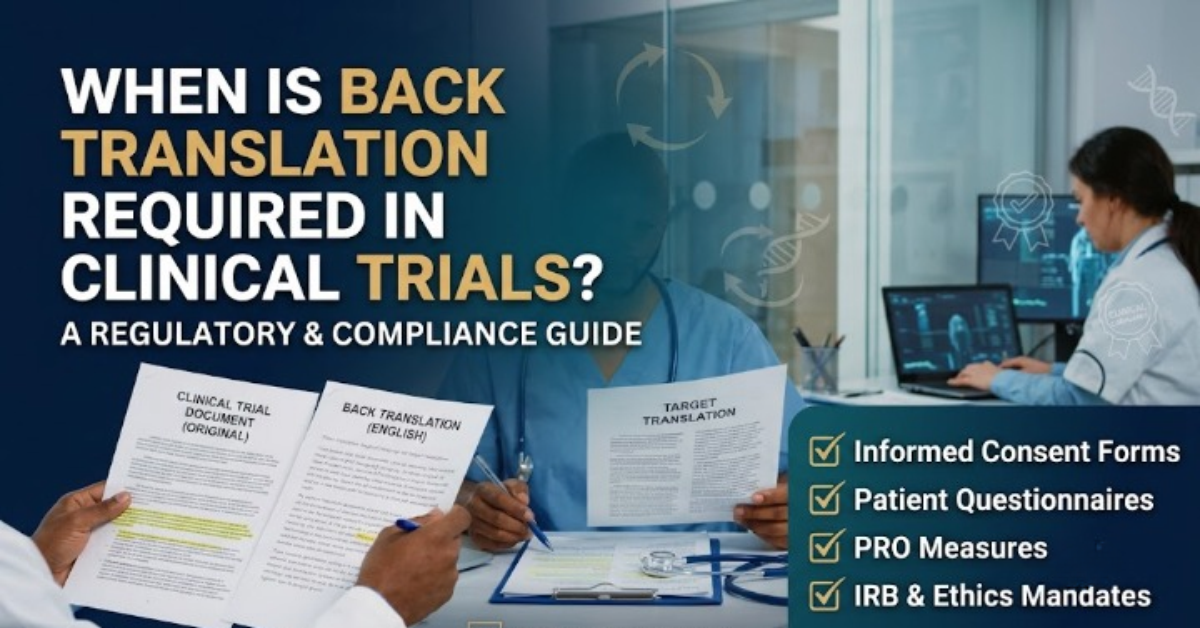
Pharma research translation is the process of accurately converting clinical, regulatory, and scientific documents into multiple languages while preserving scientific meaning, regulatory compliance, and patient safety. As pharmaceutical research becomes increasingly global, companies face growing challenges in translating complex medical content without risking data integrity or regulatory delays.
At myTranscriptionPlace, we work closely with pharmaceutical companies, CROs, and research institutions worldwide. Through this experience, we understand that pharma research translation is not just about language it directly impacts clinical trial outcomes, regulatory approvals, and patient protection.
Below, we explore the top challenges in pharmaceutical research translation and how expert language solutions help overcome them.
Key Challenges in Pharma Research Translation and How to Overcome Them
Why Is Medical and Scientific Terminology a Major Challenge in Pharma Translation?
One of the most significant challenges in pharmaceutical research translation is the accurate handling of complex medical and scientific terminology. Clinical trial documentation contains biochemical terms, dosage instructions, trial methodologies, and patient data that require deep subject-matter understanding.
Even a single mistranslated term can change the interpretation of research findings or compromise patient safety. That is why pharma translation must be handled by professionals with backgrounds in medicine, life sciences, or pharmacology.
At myTranscriptionPlace, we assign linguists who understand the science behind the language, ensuring terminological precision and preserving the integrity of research across all target languages.
Regulatory and Compliance Barriers in Pharmaceutical Translation
Pharmaceutical research documentation must comply with international and regional regulations enforced by bodies such as the FDA and the EMA, as well as local health authorities.
Each regulatory body follows distinct documentation structures, terminology standards, and formatting rules. Even minor deviations can result in document rejection or approval delays.
Our pharma research translation workflows are designed to ensure linguistic accuracy while meeting stringent compliance requirements, helping reduce regulatory risks and avoid costly resubmissions.
Challenges of Multilingual Clinical Trial Documentation
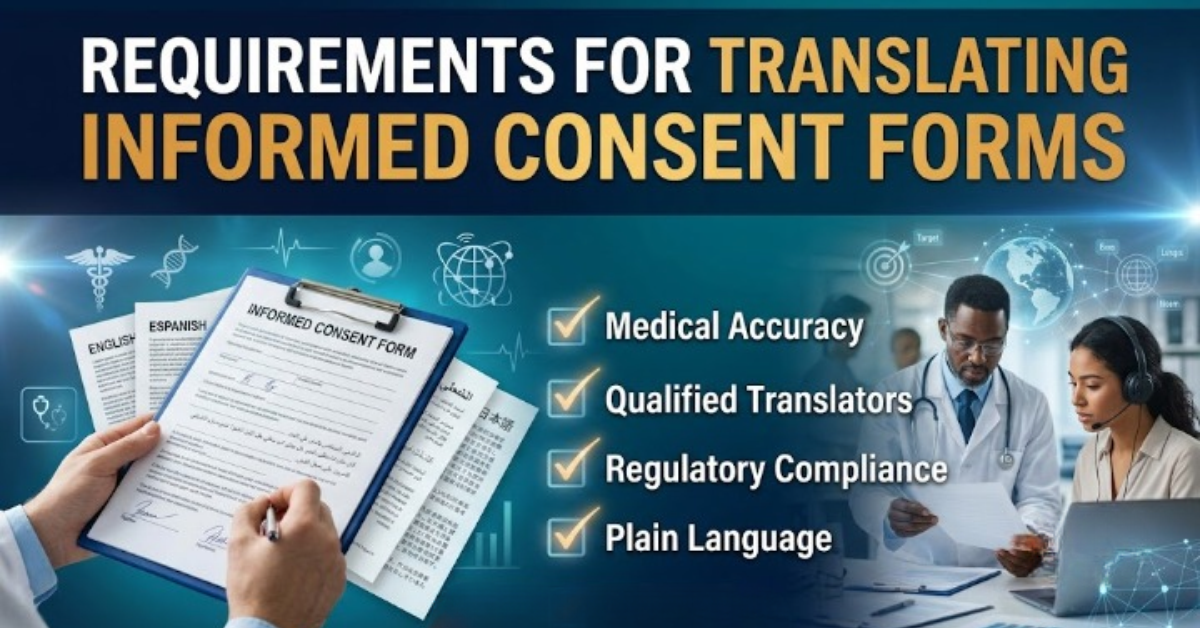
Global clinical trials require the translation of patient information sheets, informed consent forms, investigator brochures, safety narratives, and regulatory submissions into multiple languages. Maintaining consistency across these documents is critical.
Any inconsistency in multilingual documentation can lead to patient confusion, misinterpretation of trial procedures, or the need for re-approval. To address this, myTranscriptionPlace uses centralized terminology databases, standardized glossaries, and multi-layer quality checks to ensure consistency across all trial documents.
Cultural and Linguistic Sensitivity in Medical Research Translation
Pharma research translation must strike a balance between scientific accuracy and cultural appropriateness. Patient-facing materials, in particular, must be easy to understand while remaining compliant with regulatory standards.
Highly technical language may confuse trial participants, while oversimplification can compromise accuracy. Our localization approach ensures that content is culturally adapted and linguistically clear without losing its scientific intent, improving patient comprehension and engagement.
Data Accuracy and Risk Management in Pharma Translation
In pharmaceutical research, data accuracy is non-negotiable. Translation errors can impact clinical trial outcomes, drug safety assessments, and regulatory submissions. Such inaccuracies may delay approvals, increase financial risk, or even raise patient safety concerns.
To mitigate these risks, myTranscriptionPlace follows a structured translation and verification process that includes expert review, terminology validation, and comprehensive quality assurance at every stage.
Managing Time-Sensitive Pharma Research Deadlines
Pharmaceutical companies often operate under extreme time pressure, with regulatory filings, safety updates, and clinical trial milestones requiring rapid turnaround times. Maintaining accuracy and compliance while meeting tight deadlines is one of the most demanding aspects of pharma research translation.
Our scalable teams and optimized workflows allow us to deliver high-quality, compliant translations without compromising speed supporting faster approvals and smoother trial progression.
Real-World Impact of Pharma Translation Errors
A single mistranslated dosage instruction or consent clause can lead to patient misunderstanding, regulatory rejection, or trial suspension. These risks highlight why pharmaceutical research translation demands expert handling, validated processes, and strict quality controls.
Why Choose myTranscriptionPlace for Pharma Research Translation?
As a specialized language solutions provider, myTranscriptionPlace understands the high stakes involved in pharmaceutical research translation. We help pharma companies overcome translation challenges while safeguarding research integrity, regulatory compliance, and patient safety enabling confident expansion into global markets.
Key Takeaways
Pharma research translation directly affects patient safety and regulatory success
Accuracy, compliance, and speed must coexist
Subject-matter expertise is essential
Consistency across multilingual trials prevents costly delays
Professional language partners significantly reduce risk
Best Translation Services
English to Indonesian Translation | English to Spanish Translation | English to Italian Translation | English to Russian Translation | English to Danish Translation | English to Vietnamese Translation | English to Japanese Translation | English to Finnish Translation | English to Dutch Translation | English to Arabic Translation | English to Norwegian Translation | English to Greek Translation.
FAQs on Pharma Research Translation
1. Why is pharma research translation more complex than general translation?
Pharma research translation involves highly technical medical terminology, strict regulatory requirements, and clinical trial documentation where even minor errors can compromise patient safety and research validity.2. What are the biggest regulatory challenges in pharmaceutical translation?
Meeting country-specific documentation standards and regulatory requirements is a major challenge. Errors in terminology or formatting can result in document rejection and approval delays.3. How do translation errors impact clinical trials and research outcomes?
Translation errors can cause misunderstandings of clinical protocols, incorrect patient consent, and inaccurate data reporting leading to stalled trials, increased costs, and regulatory scrutiny.4. What role does medical terminology play in pharma research translation accuracy?
Accurate use of medical terminology ensures scientific clarity, eliminates ambiguity, and preserves the integrity of pharmaceutical research across languages.5. What documents require pharma research translation?
Clinical trial protocols, informed consent forms, investigator brochures, regulatory submissions, safety reports, and patient information leaflets all require precise translation.6. How does pharma translation impact regulatory approval timelines?
High-quality, compliant translation reduces the risk of regulatory queries, document rejection, and approval delays.7. How do companies ensure accuracy in pharmaceutical research translation?
Accuracy is ensured through subject-matter experts, validated terminology databases, multi-step quality checks, and regulatory-aligned translation workflows.
Nishi Singh
(Content Writer & SEO Manager)
She is an SEO Manager with over 8 years of experience in marketing and content creation. She specializes in SEO, content strategy, and paid advertisements, helping website owners across SaaS, B2B businesses, and e-commerce platforms achieve measurable growth. With a strong focus on driving organic traffic and crafting impactful content, Nishi has established herself as a trusted expert in the digital marketing space. When she's not optimizing websites, she channels her energy into marathon running, embracing challenges both on and off the track.