As businesses expand into Spanish-speaking markets, the demand for fast, accurate, and culturally appropriate translation continues to grow. Many companies now rely on artificial intelligence tools for quick translations, while others prefer professional human translators for quality assurance and localization accuracy.
So, which option is better: human Spanish translation or machine translation?
The answer depends on your goals, content type, and the level of accuracy your business requires.
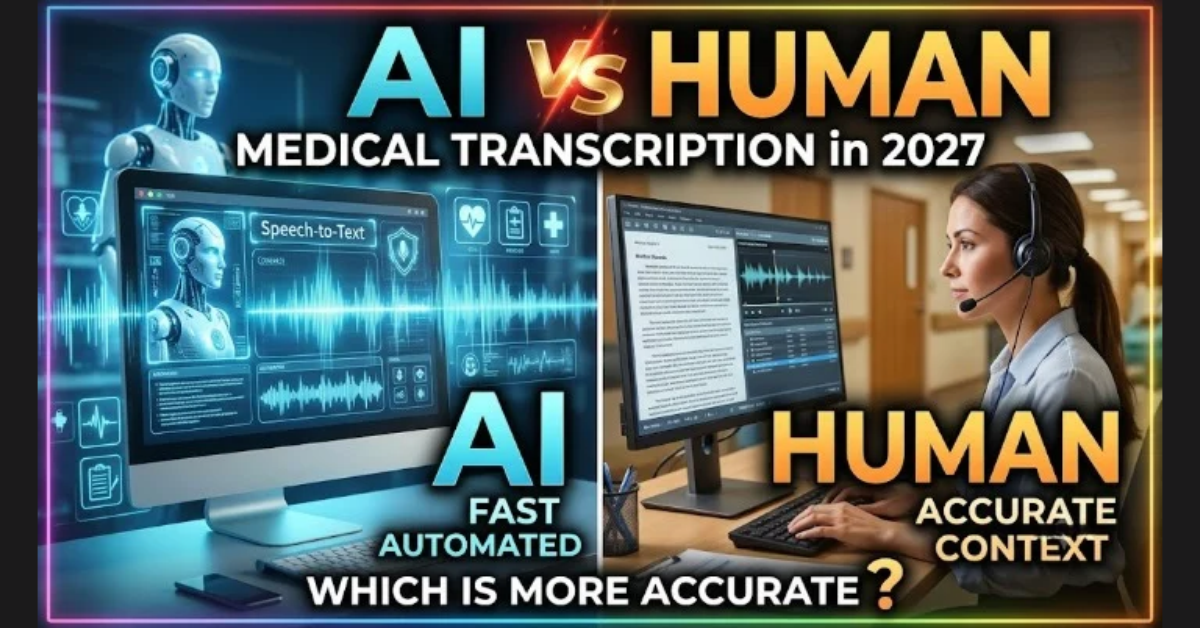
For internal communication and basic understanding, machine translation can save time and reduce costs. However, when accuracy, tone, branding, legal compliance, or customer trust matter, professional human translation still delivers superior results.
At myTranscriptionPlace, we help businesses choose the right translation approach based on industry requirements, audience expectations, and content sensitivity. In this guide, we compare human translation vs AI translation for Spanish content, including accuracy, speed, costs, risks, SEO performance, and best use cases.
Quick Answer: Human Translation vs Machine Translation
Human translation is more accurate than machine translation for business-critical Spanish content because professional translators understand context, tone, cultural nuances, regional dialects, and industry terminology.
Machine translation tools powered by AI can translate basic text quickly, but they still struggle with:
idioms
emotional tone
slang
legal terminology
medical language
marketing copy
localized phrasing
For low-risk content, AI translation may be sufficient. For customer-facing communication, legal documentation, healthcare content, and SEO localization, human translation remains the safest and most effective option.
Human Translation vs Machine Translation: Comparison Table
What Is Machine Translation?
Machine translation uses artificial intelligence and neural language models to automatically convert text from one language into another. Popular AI translation platforms include:
Google Translate
DeepL
OpenAI language models
Microsoft Translator
Modern AI systems use Neural Machine Translation (NMT), which analyzes entire sentence structures instead of translating words individually. This has significantly improved translation quality over the last few years.
However, even advanced AI models still face limitations with:
contextual interpretation
regional Spanish dialects
technical terminology
sarcasm
cultural sensitivity
emotional language
brand messaging
For example, a direct machine translation may technically appear correct while sounding unnatural or offensive to native Spanish speakers.
What Is Human Spanish Translation?
Human translation involves professional bilingual linguists translating content while considering:
context
audience intent
cultural relevance
tone of voice
localization
grammar
industry terminology
Unlike AI systems, human translators understand how language changes across regions and demographics.
For example:
Spanish used in Mexico differs from Spain
Latin American marketing language differs from Castilian Spanish
legal terminology varies between countries
Professional translators adapt content naturally instead of translating word-for-word.
This process is especially important for:
websites
contracts
medical records
subtitles
SEO content
advertising campaigns
customer support material
Why Human Translation Is Still More Accurate?
Despite rapid AI improvements, professional translators consistently outperform machine translation for nuanced communication.
1. Humans Understand Context
AI often misinterprets words with multiple meanings.
For example:
“bank” could mean a financial institution or riverbank
“charge” may refer to electricity, payment, or legal accusation
Human translators identify meaning based on context.
2. Humans Adapt Tone Naturally
Marketing and branding require emotional connection.
Machine translation often sounds:
robotic
overly literal
awkward
culturally disconnected
Human translators preserve:
humor
persuasion
professionalism
emotional tone
brand identity
3. Humans Handle Regional Variations
Spanish varies significantly across countries.
Examples:
vocabulary differences
slang variations
formality levels
pronunciation influences
A phrase acceptable in one country may sound strange or inappropriate in another.
Localization experts ensure your message resonates with the intended audience.
4. Humans Reduce Business Risks
Translation errors can damage:
customer trust
legal compliance
healthcare accuracy
brand reputation
Professional review helps prevent:
mistranslations
offensive wording
compliance issues
misleading information
Common Machine Translation Errors in Spanish
Even advanced AI translation systems frequently make mistakes.
Literal Translation Errors
Machines often translate phrases word-for-word without understanding meaning.
Example:
An English idiom may become nonsensical in Spanish.
Incorrect Gender & Grammar
Spanish grammar includes gendered nouns and complex verb structures that AI systems still mishandle.
Technical Terminology Problems
Industries like law, healthcare, finance, and engineering require specialized vocabulary.
AI tools may:
misuse terminology
simplify complex concepts
introduce inaccuracies
Cultural Misunderstandings
A technically correct translation can still fail culturally.
This is one of the biggest weaknesses of automated translation systems.
When Machine Translation Works Well
Machine translation can still be useful in certain situations.
Best Use Cases for AI Translation
internal communication
quick drafts
basic understanding
multilingual chat support
large-volume low-risk content
temporary translations
research purposes
Many businesses use AI translation for speed before applying human editing.
When Businesses Need Human Translation
Professional human translation is strongly recommended for high-risk or customer-facing content.
Best Use Cases for Human Translation
legal contracts
medical documents
immigration paperwork
website localization
SEO content
marketing campaigns
product descriptions
business proposals
research publications
financial reports
In these scenarios, accuracy directly impacts trust, conversions, and compliance.
Human Translation vs AI Translation for SEO
Search engines and AI answer engines increasingly evaluate content quality, readability, and localization accuracy.
Poor machine-translated content often suffers from:
unnatural phrasing
keyword stuffing
weak readability
duplicate structure
poor engagement signals
Human translators optimize content for:
local search intent
regional keywords
conversational phrasing
user experience
conversion rates
This is particularly important for multilingual SEO strategies targeting Spanish-speaking audiences.
Can AI Translation Replace Human Translators?
Not entirely.
AI translation technology continues to improve rapidly, especially with Large Language Models (LLMs) and neural AI systems. However, human expertise remains essential for quality assurance and localization.
Most businesses now use a hybrid workflow:
AI generates the initial translation
Professional translators edit and localize the content
Native-speaking reviewers perform quality checks
This process is called Post-Editing Machine Translation (PEMT).
Hybrid translation combines:
AI efficiency
human accuracy
faster turnaround
lower costs
improved scalability
How to Improve Spanish Translation Accuracy
Whether using AI or human translation, businesses can improve quality by following best practices.
Tips for Better Translation Results
use clear source text
avoid slang in original content
provide context to translators
use native-speaking reviewers
localize for target countries
review technical terminology carefully
combine AI with human editing
maintain consistent brand guidelines
At myTranscriptionPlace, every project undergoes multi-stage quality review by experienced language professionals to ensure clarity, accuracy, and cultural relevance.
The Future of Spanish Translation in 2026
AI translation has become dramatically better in recent years, especially with neural machine translation and generative AI models.
However, businesses still face major risks when relying entirely on automation for critical communication.
The future of translation is likely to involve:
AI-assisted workflows
human quality control
multilingual SEO localization
culturally adaptive content
faster hybrid translation systems
Rather than replacing translators, AI is increasingly becoming a productivity tool that supports professional linguists.
Final Verdict: Which Translation Method Is Better?
If your priority is speed and low cost, machine translation can be useful for basic communication.
If your priority is:
accuracy
professionalism
localization
customer trust
SEO performance
compliance
brand credibility
then human translation remains the clear winner.
For businesses targeting Spanish-speaking audiences, investing in professional translation services delivers stronger communication, better customer engagement, and fewer costly mistakes.
At myTranscriptionPlace, we combine advanced technology with experienced human linguists to deliver accurate, culturally adapted Spanish translations for businesses worldwide.
Best Translation Service
English to Indonesian Translation | English to Spanish Translation | English to Italian Translation | English to Russian Translation | English to Danish Translation | English to Vietnamese Translation | English to Japanese Translation | English to Finnish Translation | English to Dutch Translation | English to Arabic Translation | English to Norwegian Translation | English to Greek Translation.
Frequently Asked Questions
1. Is machine translation accurate enough for Spanish business content?
Machine translation has improved significantly with neural AI systems, but it still struggles with context, idioms, tone, and cultural nuances. For internal use or basic communication, it may be sufficient. However, businesses typically require professional human review for customer-facing or high-risk content.
2. What are the biggest problems with machine translation?
The most common issues include:
literal translations
grammar mistakes
incorrect terminology
awkward phrasing
cultural misunderstandings
inconsistent tone
These problems can negatively affect customer trust and brand reputation.
3. Which industries require professional human translation?
Industries that commonly require human translation include:
legal
healthcare
finance
eCommerce
education
government
marketing
research
technology
These industries depend heavily on accuracy and compliance.
4. Is AI translation improving in 2026?
Yes. AI translation quality has improved substantially due to neural machine translation and large language models. However, even advanced AI systems still require human oversight for nuanced communication and culturally sensitive content.
5. What is the best translation approach for businesses?
Many businesses now use a hybrid translation workflow that combines AI speed with professional human editing. This approach balances efficiency, scalability, accuracy, and localization quality.
6. Why is localization important in Spanish translation?
Spanish varies widely across regions and countries. Localization ensures content feels natural and culturally appropriate for the target audience, improving customer trust, engagement, and conversion rates.

Nishi Singh
(Content Writer & SEO Manager)
She is an SEO Manager with over 8 years of experience in marketing and content creation. She specializes in SEO, content strategy, and paid advertisements, helping website owners across SaaS, B2B businesses, and e-commerce platforms achieve measurable growth. With a strong focus on driving organic traffic and crafting impactful content, Nishi has established herself as a trusted expert in the digital marketing space. When she's not optimizing websites, she channels her energy into marathon running, embracing challenges both on and off the track.