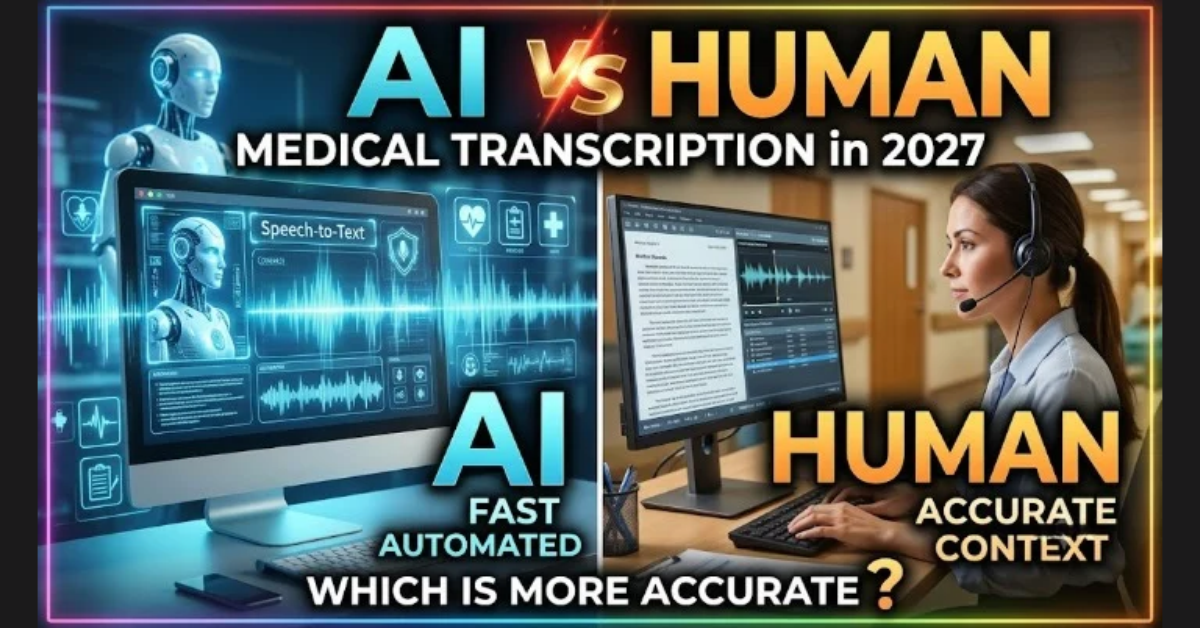
English to Dutch translation using AI tools is typically 75% - 90% accurate for general content. However, for legal, medical, technical, or brand-sensitive material, professional human translators deliver significantly higher accuracy due to better contextual understanding, tone adaptation, and cultural awareness.
What Determines English to Dutch Translation Accuracy?
Translation accuracy is not just about converting words. True accuracy depends on:
Correct grammar and syntax
Contextual understanding
Industry-specific terminology
Cultural adaptation
Tone and intent preservation
Natural Dutch sentence structure
Modern neural machine translation (NMT) systems can process large volumes of text quickly, but they still struggle with subtle meaning, idioms, and localized communication styles.
When businesses evaluate English to Dutch localization, they quickly discover that word-for-word translation is rarely enough for professional communication.
Human vs AI Translation: Side-by-Side Comparison
This comparison clearly shows that AI is efficient, but human expertise ensures reliability.
Real Example: AI vs Human Translation
Original English Sentence:
“We value long-term strategic partnerships.”
AI Translation:
“Wij waarderen langdurige strategische partnerschappen.”
Human-Optimized Translation:
“Wij hechten veel waarde aan duurzame samenwerkingen.”
Why the difference matters:
The human version sounds more natural in Dutch business communication.
“Duurzame samenwerkingen” feels more culturally aligned.
The tone is more relationship-oriented rather than literal.
This small shift demonstrates how translation quality impacts brand perception.
What Is the Most Accurate Way to Translate English to Dutch?
The most accurate method is machine translation combined with professional human post-editing (MTPE).
AI provides speed and scalability.
Human linguists ensure:
Context accuracy
Tone refinement
Terminology precision
Cultural adaptation
Industry compliance
This hybrid approach delivers both efficiency and quality.
When Is AI Translation Enough?
AI-based translation may be sufficient for:
Internal documents
Informal emails
Draft content
Large-scale data processing
Basic informational text
For low-risk content, AI offers cost-effective solutions.
When Is Human Translation Essential?
Human expertise is critical for:
Legal contracts
Medical documentation
Technical manuals
Academic research
Marketing campaigns
Website localization
Investor communications
In these cases, even small errors can damage credibility or create legal risks.
Strengths and Weaknesses of AI Translation
Strengths:
Fast turnaround
Scalable for large volumes
Cost-effective
Improving neural machine capabilities
Weaknesses:
Misses idioms and cultural nuance
Struggles with complex sentence intent
Inconsistent terminology handling
Requires professional editing for publication
Comparative translation quality evaluations consistently show that AI performs well for general content but underperforms in specialized industries.
Why Human Expertise Still Matters?
Professional translators provide:
Deep linguistic knowledge
Cultural sensitivity
Subject-matter expertise
Stylistic nuance
Audience adaptation
Human-reviewed translations typically result in:
Higher client satisfaction
Greater trustworthiness
Stronger brand credibility
More natural Dutch phrasing
Machines generate output. Humans ensure communication.
The myTranscriptionPlace Approach
At myTranscriptionPlace, we do not treat human vs AI as a competition. We use both strategically.
Our workflow includes:
AI-assisted initial translation (when appropriate)
Professional Dutch linguist review
Terminology validation
Cultural adaptation
Final quality assurance checks
This balanced model enhances English to Dutch translation accuracy while maintaining efficiency and affordability.
We deliver translations that are:
Culturally appropriate
Contextually accurate
Industry-aligned
Market-ready
Professionally polished
Accuracy Rates: What Businesses Should Expect
AI translation for general content: 75% - 90% accuracy
AI without editing for technical content: significantly lower reliability
Human-reviewed translation: near publication-ready accuracy
Hybrid (AI + human editing): highest efficiency-to-quality ratio
The complexity of the content directly impacts the final accuracy rate.
Conclusion
So, how accurate is English to Dutch translation today?
Artificial intelligence delivers competent results for basic content and high-volume tasks. However, when communication involves brand voice, technical terminology, legal precision, or cultural nuance, human translators remain essential.
The future of English to Dutch translation lies in AI efficiency combined with professional human expertise.
At myTranscriptionPlace, we are committed to delivering the highest standards of translation accuracy, helping businesses communicate confidently across European markets.
Best Translation Services
English to Indonesian Translation | English to Spanish Translation | English to Italian Translation | English to Russian Translation | English to Danish Translation | English to Vietnamese Translation | English to Japanese Translation | English to Finnish Translation | English to Dutch Translation | English to Arabic Translation | English to Norwegian Translation | English to Greek Translation.
FAQs
1. How accurate is English to Dutch translation using AI tools?
AI-based English to Dutch translation typically achieves 75% - 90% accuracy for general content. However, it may struggle with idioms, technical terminology, and tone-sensitive communication. Professional review significantly improves final quality.2. Is human translation more accurate than AI for Dutch?
Yes. Human translators provide superior contextual precision, cultural understanding, and tone adaptation. For legal, medical, technical, or brand-sensitive content, human translation is significantly more reliable than AI alone.3. What is the average accuracy rate of AI translation for Dutch?
For everyday text, AI translation accuracy ranges between 75% and 90%. For complex or specialized content, accuracy may drop without professional post-editing.4. Can AI translate complex English sentences into Dutch correctly?
AI can translate complex structures, but it may misinterpret idiomatic expressions, cultural nuances, and technical terms. Human editing ensures clarity and natural fluency.5. Why does English to Dutch translation sometimes sound unnatural?
Unnatural phrasing occurs when text is translated literally without adapting Dutch grammar, tone, and cultural norms. Professional translators refine language to match natural Dutch communication patterns.
Nishi Singh
(Content Writer & SEO Manager)
She is an SEO Manager with over 8 years of experience in marketing and content creation. She specializes in SEO, content strategy, and paid advertisements, helping website owners across SaaS, B2B businesses, and e-commerce platforms achieve measurable growth. With a strong focus on driving organic traffic and crafting impactful content, Nishi has established herself as a trusted expert in the digital marketing space. When she's not optimizing websites, she channels her energy into marathon running, embracing challenges both on and off the track.