As global businesses expand into Scandinavian markets, the demand for high-quality English to Norwegian translation continues to rise in 2026. Companies entering Norway must decide between AI-powered translation tools and professional human linguists.
The debate is no longer about replacement, it's about choosing the right solution for the right purpose.
This guide compares AI and human translation across accuracy, cost, legal risk, brand voice, and scalability to help businesses make an informed decision.
What Is AI Translation?
AI translation, also known as Neural Machine Translation (NMT), uses machine learning models trained on vast bilingual datasets to automatically convert English text into Norwegian.
Modern AI systems analyze sentence structure, predict context, and generate translations within seconds. These tools are commonly used for:
Internal documentation
Draft content
Product catalogs
Large-volume data translation
AI excels in speed and cost efficiency but may struggle with nuance, tone, and specialized terminology.
What Is Human Translation?
Human translation is performed by professional linguists who understand grammar, syntax, cultural context, industry terminology, and audience intent.
Unlike automated systems, human translators:
Interpret meaning beyond literal wording
Adapt tone and brand voice
Understand regional differences
Ensure compliance with legal standards
For public-facing and high-risk documents, human expertise remains critical.
AI vs Human Translation: Key Differences Explained
Accuracy: Where Humans Still Lead
Norwegian has two official written standards:
Bokmål
Nynorsk
Selecting the wrong form or mixing them incorrectly can damage credibility.
AI systems may generate grammatically correct sentences but misinterpret:
Legal clauses
Medical terminology
Financial agreements
Cultural expressions
Dialect-sensitive phrasing
Professional linguists understand:
Sector-specific vocabulary
Regulatory language
Contextual meaning
Tone expectations in Norwegian business culture
For contracts, healthcare documents, and compliance materials, human oversight remains essential.
Speed and Cost: AI’s Strongest Advantage
For companies needing rapid turnaround, AI provides clear benefits:
Thousands of words translated in seconds
Lower per-word costs
Scalable for large data sets
Ideal for internal use
AI translation is well suited for:
Draft-level materials
Internal reports
Data migration projects
Early-stage product testing
However, cost savings can disappear if extensive human editing becomes necessary later.
Cultural Nuance and Brand Voice
Marketing translation is not just language conversion it is localization.
Norwegian audiences respond strongly to:
Clear, direct communication
Subtle humor
Cultural appropriateness
Trust-based messaging
AI systems often translate literally, which can lead to:
Awkward phrasing
Flat tone
Reduced emotional impact
Lower conversion rates
Human translators adapt messaging so it feels native, culturally aligned, and brand-consistent.
Legal Risks of AI Translation in Norway
AI-generated translations for legal or contractual documents carry potential risks:
Terminology inaccuracies
Ambiguous clauses
Compliance misinterpretation
Liability exposure
Norwegian regulatory frameworks require precision. In legal contexts, even small linguistic errors can have financial consequences.
For legal documents, AI alone should not be relied upon.
The Hybrid Approach: The Most Effective Model in 2026
The most successful strategy today combines:
AI-generated first drafts
Professional human editing and validation
This hybrid model offers:
Faster turnaround
Cost control
Accuracy assurance
Reduced legal risk
Businesses expanding into Norway increasingly adopt this collaborative approach rather than choosing one method exclusively.
When Should Businesses Choose AI Translation?
AI translation is suitable when:
Content is internal-only
Speed is the priority
Budget is limited
Risk is low
The document is informational rather than persuasive
When Should Businesses Choose Human Translation?
Human translation is recommended for:
Legal contracts
Medical documents
Financial agreements
Marketing campaigns
Website localization
Brand-sensitive messaging
Government submissions
Real-World Example
An eCommerce company expanding into Norway initially used automated translation for product descriptions. While grammatically correct, the phrasing sounded unnatural to local customers.
After professional localization:
Engagement improved
Product clarity increased
Customer trust strengthened
Conversion rates recovered
The issue was not grammar it was tone and cultural alignment.
Final Verdict: AI, Human, or Hybrid?
In 2026:
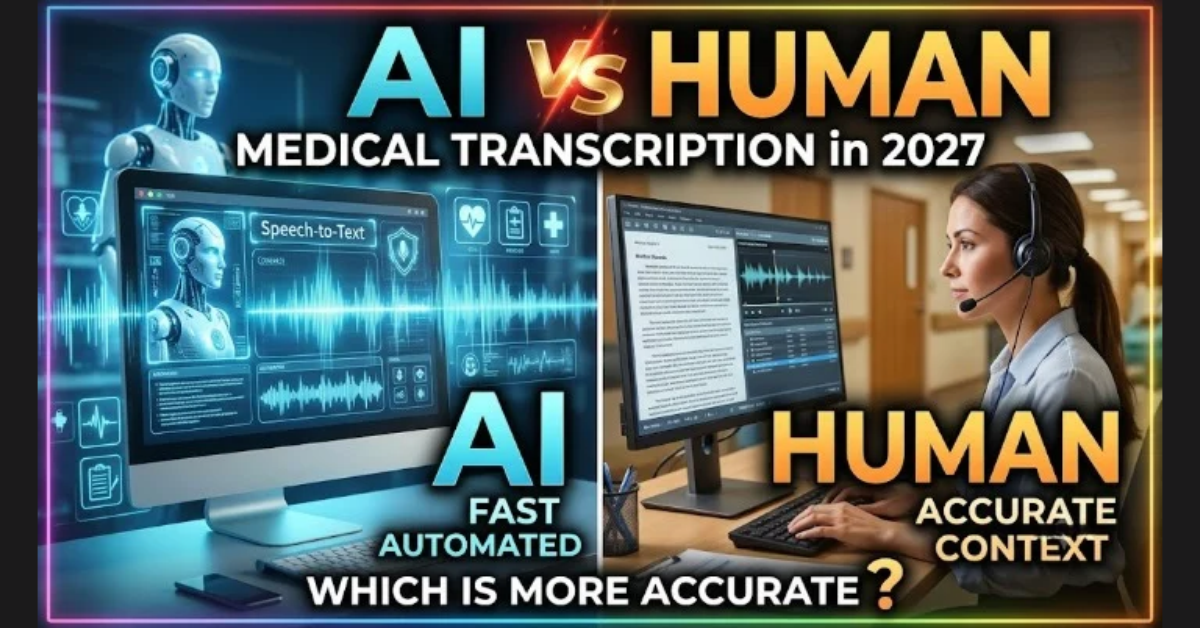
AI wins in speed and scalability
Human translators lead in accuracy and nuance
Hybrid models deliver the best balance
For businesses entering the Norwegian market, translation should be viewed as a strategic investment rather than a cost-saving shortcut.
Choosing the right method depends on:
Document type
Risk level
Audience
Brand impact
The smartest decision is not AI vs human, it is matching the solution to the business objective.
Conclusion
AI translation technology has advanced significantly in recent years, offering businesses speed and scalability. However, when accuracy, cultural nuance, legal precision, and brand voice are critical, human expertise remains essential.
In 2026, the most effective translation strategy for English to Norwegian projects is not competition, it is collaboration.
A balanced hybrid model ensures efficiency without compromising quality.
Best Translation Services
English to Indonesian Translation | English to Spanish Translation | English to Italian Translation | English to Russian Translation | English to Danish Translation | English to Vietnamese Translation | English to Japanese Translation | English to Finnish Translation | English to Dutch Translation | English to Arabic Translation | English to Norwegian Translation | English to Greek Translation.
Frequently Asked Questions (FAQ)
1. Is AI or human translation more accurate for English to Norwegian in 2026?
Human translation is more accurate for legal, medical, financial, and culturally sensitive content. AI performs well for drafts but may misinterpret context or Norwegian dialect differences.
2. Can AI replace professional English to Norwegian translators?
No. AI tools assist with draft creation but cannot fully replace professional linguists for high-risk or public-facing materials.
3. Is AI translation reliable for Norwegian legal documents?
AI translation is not recommended for legal documents due to terminology precision and liability risks.
4. What is the difference between Bokmål and Nynorsk in translation?
Bokmål and Nynorsk are Norway’s two official written forms. Choosing the correct form depends on audience, region, and regulatory requirements.
5. When should businesses choose AI translation?
AI is appropriate for internal documentation, bulk data translation, and non-sensitive materials where speed matters more than nuance.

Nishi Singh
(Content Writer & SEO Manager)
She is an SEO Manager with over 8 years of experience in marketing and content creation. She specializes in SEO, content strategy, and paid advertisements, helping website owners across SaaS, B2B businesses, and e-commerce platforms achieve measurable growth. With a strong focus on driving organic traffic and crafting impactful content, Nishi has established herself as a trusted expert in the digital marketing space. When she's not optimizing websites, she channels her energy into marathon running, embracing challenges both on and off the track.