Executive Insight
By 2026, English-to-Spanish translation will no longer be a supporting tactic - it will be a primary growth driver for global businesses seeking trust, discoverability, and revenue in Spanish-speaking markets.
The global marketplace is rapidly evolving. While English remains influential, future-ready companies are shifting their focus toward localization, especially for the Spanish-speaking world. Businesses that fail to adapt to linguistic and cultural diversity risk losing relevance, visibility, and market share. In contrast, those investing in high-quality English-to-Spanish translation are positioning themselves for sustained global growth.
With more than 580 million Spanish speakers worldwide, Spanish is the second-most spoken native language globally. For companies expanding internationally, Spanish is no longer optional - it is a strategic necessity.
Key Takeaways
Spanish has over 580 million speakers worldwide
Spanish-speaking markets will drive major digital and e-commerce growth by 2026
Localization delivers higher trust and conversion rates than literal translation
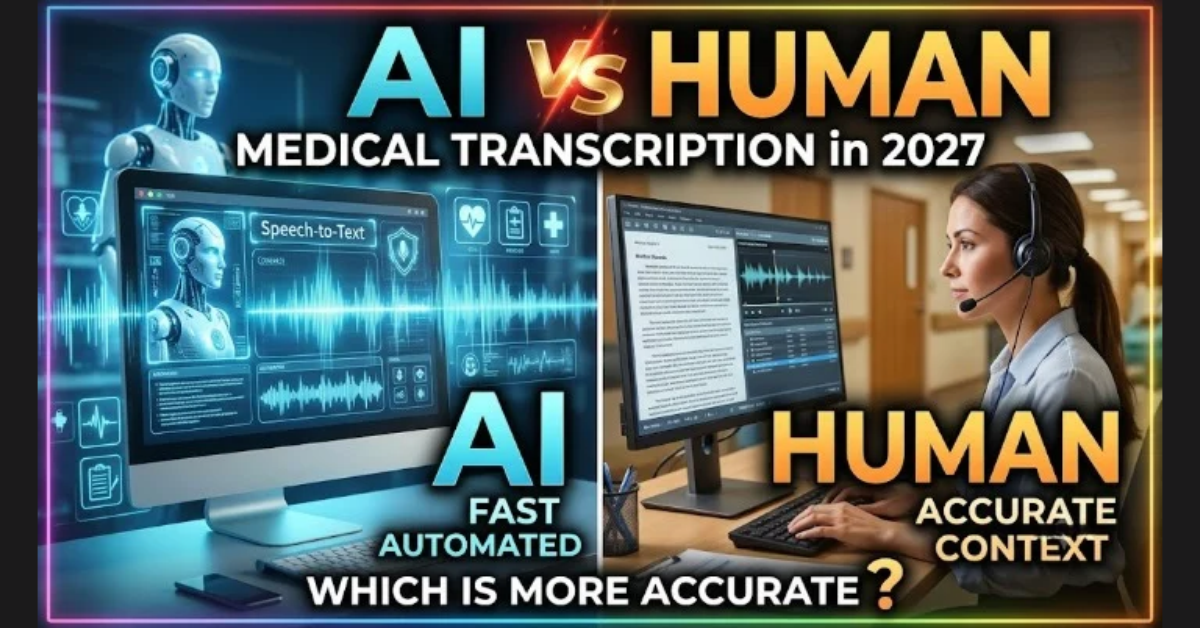
AI translation alone cannot replace human linguistic expertise
Professional English-to-Spanish translation improves SEO, credibility, and revenue
Why the Spanish-Speaking Market Matters More Than Ever
What Is the Untapped Potential of Spanish-Speaking Consumers?
By 2026, the collective purchasing power of Spanish speakers across the Americas and Europe is projected to reach historic highs. The United States alone has over 41 million native Spanish speakers, making it one of the world’s largest Spanish-speaking populations.
However, success in these markets requires more than awareness of demographics. Businesses must communicate in clear, culturally fluent Spanish. Studies consistently show that consumers are far more likely to trust and buy from brands that speak their native language. An English-only digital presence effectively excludes millions of potential customers.
Economic Growth and Digital Expansion in Latin America
Why Is Latin America a Growth Hub for Global Businesses?
Latin America is emerging as a powerful center for technology, SaaS, and e-commerce. Countries such as Mexico, Colombia, Argentina, and Chile are experiencing rapid digital adoption. By 2026, internet penetration across much of the region will be near universal.
This growth creates massive opportunities—but also risks. Legal, financial, and marketing communications must be accurate and culturally appropriate. Even a minor translation error in a contract or compliance document can result in financial loss or reputational damage.
Professional business translation services ensure:
Legal and regulatory accuracy
Culturally aligned marketing messages
Professional credibility in new markets
How Does English-to-Spanish Translation Improve SEO in 2026?
Search behavior varies dramatically across regions. English keywords do not rank in Spanish-language searches, and direct translations rarely match real search intent.
Why Localization Beats Direct Translation for SEO?
Spanish localization goes beyond word-for-word translation. It involves:
Researching local search intent
Adapting keywords for regional dialects
Optimizing metadata, headings, and content structure
Aligning content with local cultural context
For example, users in Madrid search differently than users in Mexico City or Buenos Aires. An SEO-aware English-to-Spanish translator understands these differences and ensures your content ranks in the right markets.
Localized content signals relevance to search engines, leading to:
Higher organic traffic
Improved visibility in regional search results
Better engagement and lower bounce rates
The Limits of AI Translation and the Need for Human Expertise
Can AI Translation Replace Human Translators in 2026?
AI translation tools have improved significantly and are useful for casual understanding. However, in high-stakes business environments, they often fall short.
AI struggles with:
Regional dialects (Castilian vs. Latin American vs. Rioplatense Spanish)
Tone, intent, and emotional nuance
Industry-specific terminology
Cultural sensitivity
Overreliance on machine translation frequently leads to awkward phrasing or “Spanglish,” which undermines brand authority. Human-led translation services ensure clarity, professionalism, and authentic communication - something algorithms cannot yet replicate.
How Localization Builds Trust and Drives Conversions
Trust is the foundation of modern business. When users encounter poorly translated content, they often assume the product or service itself lacks quality.
Why Localization Matters for B2B and B2C Businesses
High-quality English-to-Spanish translation demonstrates respect for your audience. It shows that your brand values clear communication and cultural understanding.
Localization enhances:
User experience
Brand credibility
Conversion rates
Customer retention
For B2B organizations, localization is even more critical. Decision-makers prioritize partners who make communication effortless. Translating user interfaces, customer support materials, onboarding guides, and technical documentation removes friction throughout the buyer journey.
Conclusion: The Competitive Advantage of English-to-Spanish Translation
The businesses that will dominate 2026 are those that bridge cultures, not just markets. The Spanish-speaking world offers a rare combination of scale, economic growth, and digital engagement.
Ignoring Spanish localization means leaving revenue, trust, and visibility on the table. Investing in professional English-to-Spanish translation allows your brand to communicate its values clearly, build lasting relationships, and compete confidently on a global stage.
myTranscriptionPlace is a trusted leader in professional translation and localization services, supporting businesses in over 400 languages. Our human-led approach ensures accuracy, cultural relevance, and measurable results - helping you communicate your vision to the world with confidence.
Our Popular Services
Human Transcription | Automatic Transcription | Interactive Transcription | Human Translation | Spanish Transcription | Focus Group Transcription Services | Qualitative Data Analysis | Medical Transcription Services | Technical Translation Services | Closed Captioning Services | Accurate Transcription Services | Video Transcription Services | English to Indonesian Translation | English to Spanish Translation | English to Italian Translation | English to Russian Translation | English to Danish Translation | English to Vietnamese Translation | English to Japanese Translation | English to Finnish Translation | English to Dutch Translation | English to Arabic Translation | English to Norwegian Translation | English to Greek TranslationFAQs
1. Why is English-to-Spanish translation essential for global businesses in 2026?
With over 580 million Spanish speakers and rising digital engagement, English-to-Spanish translation is essential for building trust, improving SEO visibility, and accessing fast-growing global markets in 2026.2. What industries benefit most from English-to-Spanish translation?
Industries such as e-commerce, technology, healthcare, finance, SaaS, and legal services benefit most because they rely on clear, accurate, and trustworthy communication.3. How is Spanish localization different from simple translation?
Translation converts text from one language to another, while localization adapts content to regional culture, search behavior, tone, imagery, and formatting for specific Spanish-speaking markets.4. What are the risks of using AI translation without human review?
AI translations may contain inaccuracies, cultural missteps, or unnatural phrasing. These errors can damage brand credibility, reduce trust, and lead to costly misunderstandings.
Nishi Singh
(Content Writer & SEO Manager)
She is an SEO Manager with over 8 years of experience in marketing and content creation. She specializes in SEO, content strategy, and paid advertisements, helping website owners across SaaS, B2B businesses, and e-commerce platforms achieve measurable growth. With a strong focus on driving organic traffic and crafting impactful content, Nishi has established herself as a trusted expert in the digital marketing space. When she's not optimizing websites, she channels her energy into marathon running, embracing challenges both on and off the track.