Introduction
In today's interconnected world, communication extends far
beyond geographical borders. Businesses collaborate with international
partners, students access educational resources from around the globe,
healthcare providers serve multicultural communities, and digital content
reaches audiences across continents. Amid this growing global connectivity,
translation has become an essential tool for breaking language barriers and
enabling meaningful communication.
Translation is no longer simply about converting words from
one language to another. It involves preserving meaning, cultural context,
tone, and intent to ensure that messages are accurately understood by diverse
audiences. Whether facilitating international trade, improving healthcare
outcomes, or promoting cultural exchange, translation plays a critical role in
creating a more connected and inclusive world.
This article explores why translation is important, its
impact across industries, and how professional translation services help
individuals and organizations thrive in an increasingly globalized economy.
What Is Translation?
Translation
is the process of converting written, spoken, or digital content from one
language into another while maintaining the original message's meaning, style,
and context.
Effective translation goes beyond literal word-for-word
conversion. Professional translators consider cultural nuances,
industry-specific terminology, regional language variations, and audience
expectations to ensure the content feels natural and accurate in the target
language.
Key Objectives of Translation
- Eliminate
language barriers
- Facilitate
global communication
- Improve
accessibility of information
- Support
international business growth
- Enhance
cross-cultural understanding
- Ensure
legal and technical accuracy
Why Is Translation Important in a Globalized World?
As globalization continues to reshape economies and
societies, organizations and individuals must communicate effectively across
linguistic and cultural boundaries.
Translation helps:
- Connect
people from different cultures
- Expand
access to information and education
- Enable
international business operations
- Improve
healthcare communication
- Promote
global collaboration
- Support
digital content accessibility
Without translation, valuable information, opportunities,
and relationships would remain limited by language barriers.
How Translation Supports International Business Growth
Global expansion is a key objective for many businesses.
However, entering international markets requires more than simply exporting
products or services. Companies must communicate effectively with customers who
speak different languages and have different cultural expectations.
1. Building Customer Trust
Consumers are significantly more likely to engage with
businesses that provide information in their native language. Translating
websites, product descriptions, user manuals, and customer support materials
creates a more personalized and trustworthy experience.
2. Expanding Market Reach
Translation allows businesses to access new customer
segments worldwide. By localizing content for different regions, companies can
increase visibility, engagement, and sales across international markets.
3. Improving Global Marketing
Successful international marketing depends on culturally
relevant messaging. Professional translation ensures that advertisements,
social media campaigns, and promotional materials resonate with local audiences
while maintaining brand consistency.
4. Supporting International Partnerships
Accurate translation of contracts, proposals, presentations,
and business communications helps organizations build stronger relationships
with global partners, suppliers, and investors.
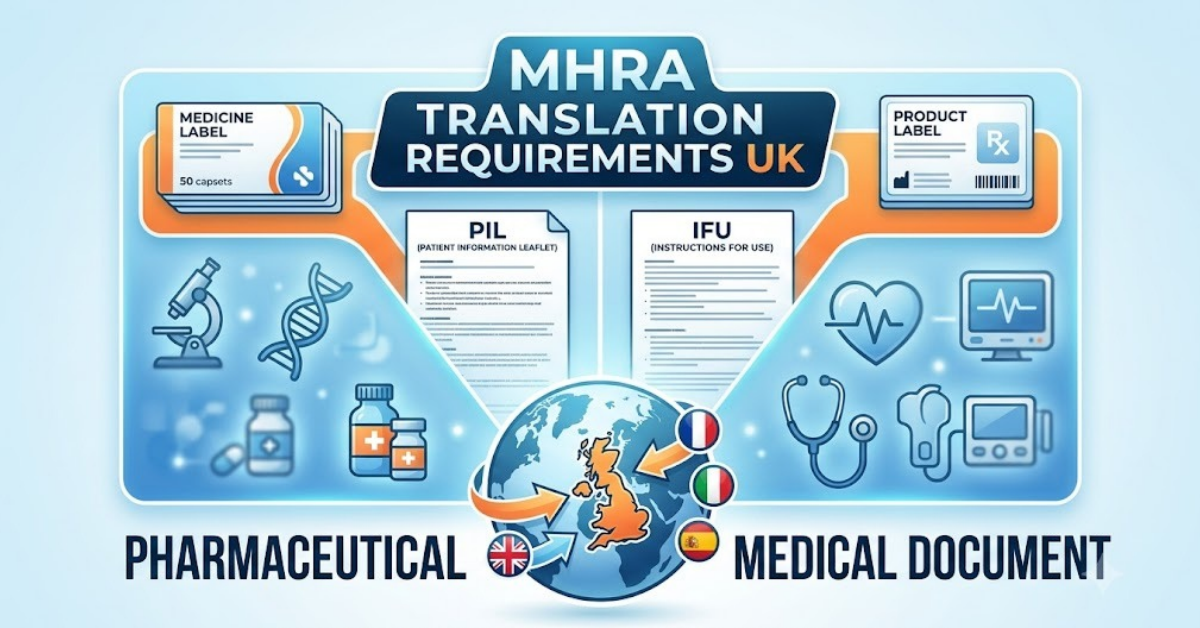
The Importance of Translation in Healthcare
Healthcare is one of the most critical sectors where
accurate translation can directly impact lives.
Patients who do not speak the dominant language of a country
often face challenges understanding diagnoses, treatment plans, medication
instructions, and consent forms.
Benefits of Medical Translation
1. Improved Patient Safety
Clear communication reduces the risk of misunderstandings
that could lead to incorrect treatments or medication errors.
2. Better Healthcare Outcomes
Patients who fully understand their medical conditions and
treatment options are more likely to follow healthcare recommendations.
3. Enhanced Accessibility
Translation services ensure healthcare systems remain
inclusive and accessible to diverse populations.
Support for Global Medical Research
Medical
translation facilitates the sharing of research findings, clinical
trial data, and healthcare innovations across international borders.
Translation in Education and Academic Research
Education is increasingly global. Students access online
courses, universities collaborate internationally, and researchers share
findings worldwide.
Translation helps educational institutions:
- Make
learning materials accessible to multilingual audiences
- Support
international student enrolment
- Facilitate
academic collaboration
- Expand
access to scientific research
- Promote
global knowledge sharing
By translating educational resources, institutions create
equal learning opportunities for students regardless of language background.
The Role of Translation in Cultural Exchange
One of the most profound impacts of translation is its
ability to connect cultures.
Books, films, articles, music, and historical documents
become accessible to people worldwide through translation. This exchange of
ideas helps societies learn from one another and fosters greater mutual
understanding.
1. Literary Translation
Literary translation allows readers to experience stories,
philosophies, and traditions from different cultures. Classic novels, poetry,
and contemporary literature can reach global audiences without losing their
cultural significance.
2. Media and Entertainment
Movies, television shows, podcasts, and digital content rely
on subtitles, dubbing, and localization to engage international audiences.
3. Preserving Cultural Heritage
Translation helps preserve and share important cultural
works, historical records, and indigenous knowledge across generations and
regions.
Translation in the Digital Age
The internet has transformed how information is created,
consumed, and distributed. Businesses and content creators now reach audiences
across multiple countries and languages.
1. Website Translation
Multilingual websites improve user experience, search
visibility, and international customer acquisition.
2. E-Commerce Localization
Online stores that provide translated product descriptions,
payment information, and customer support often achieve higher conversion
rates.
3. Mobile Applications
Apps translated into multiple languages can significantly
expand their user base and improve engagement.
4. Social Media Communication
Brands use translated content to connect with audiences
across different countries and cultural backgrounds.
5. Video Translation
Subtitles, captions, and multilingual voiceovers help video
content reach global viewers.
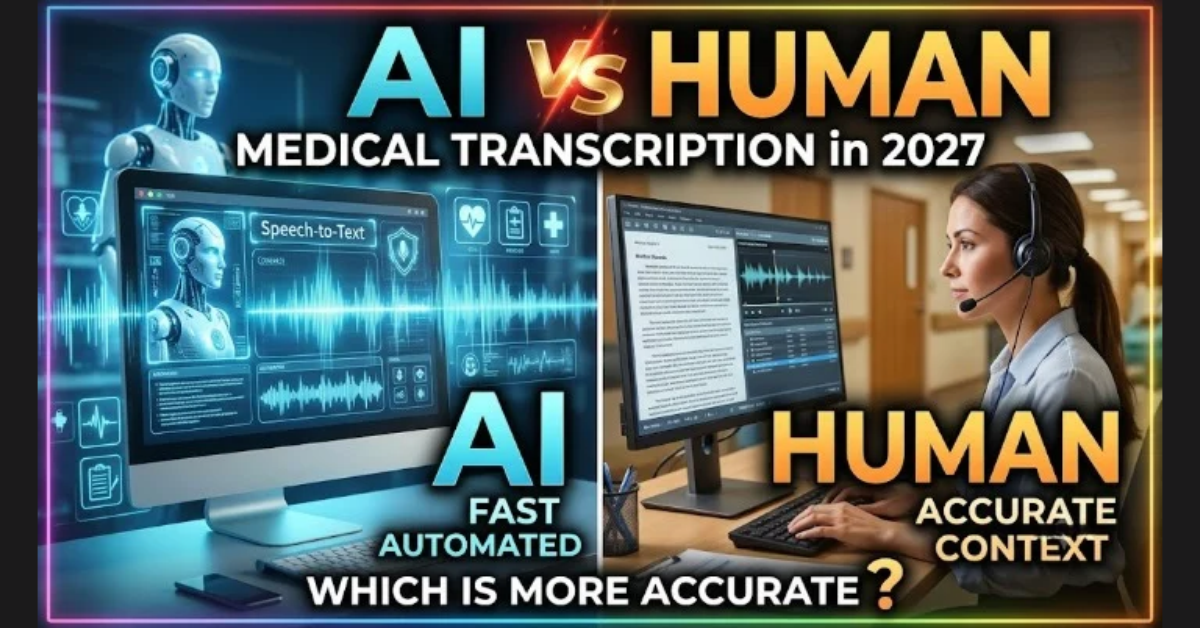
Human Translation vs Machine Translation
Advances in artificial intelligence have made machine
translation more accessible than ever. However, AI-powered tools still have
limitations.
1. Machine Translation Advantages
- Fast
turnaround times
- Cost-effective
for basic content
- Useful
for simple communication
2. Machine Translation Limitations
- Limited
cultural understanding
- Difficulty
interpreting context
- Challenges
with industry-specific terminology
- Potential
inaccuracies in legal and medical documents
Why Human Translators Remain Essential?
Professional translators bring cultural expertise,
contextual understanding, creativity, and subject matter knowledge that
machines cannot fully replicate. For high-stakes content, human translation
remains the gold standard.
Challenges in Modern Translation
Professional translators face several challenges in today's
rapidly evolving global landscape:
1. Cultural Nuances
Words and phrases often carry meanings that vary across
cultures.
2. Industry-Specific Terminology
Technical fields such as healthcare, law, engineering, and
finance require specialized knowledge.
3. Regional Language Variations
Languages frequently have multiple dialects and regional
differences.
4. Maintaining Consistency
Large-scale projects require consistent terminology across
documents and platforms.
5. Rapid Content Growth
The increasing volume of digital content demands efficient
and scalable translation solutions.
Benefits of Professional Translation Services
Organizations that invest in professional translation
services gain several advantages:
- Increased
global reach
- Improved
customer experience
- Enhanced
brand credibility
- Better
regulatory compliance
- Reduced
communication errors
- Stronger
international relationships
- Higher
conversion rates in global markets
Professional translation is not merely a linguistic service;
it is a strategic investment in international growth and communication.
Future Trends in Translation
The translation industry continues to evolve alongside
technology and globalization.
Emerging trends include:
- AI-assisted
translation workflows
- Real-time
multilingual communication
- Voice
translation technologies
- Enhanced
localization services
- Multilingual
SEO optimization
- Global
content personalization
Despite technological advancements, human expertise will
remain essential for delivering culturally accurate and contextually meaningful
translations.
Key Takeaways
- Translation
is essential for effective communication in a globalized world.
- It
supports international business growth, healthcare accessibility,
education, and cultural exchange.
- Professional
translation helps organizations build trust and reach wider audiences.
- Digital
transformation has increased demand for multilingual content and
localization.
- Human
expertise remains critical for ensuring accuracy, cultural relevance, and
quality.
- Translation
continues to play a vital role in connecting people, businesses, and
communities worldwide.
Conclusion
Translation serves as the foundation of communication in our
increasingly interconnected world. From facilitating international business
expansion and improving healthcare outcomes to promoting education and cultural
understanding, its impact extends across every aspect of modern society.
As organizations continue to engage global audiences and individuals interact across borders, the demand for accurate, culturally sensitive translation will only continue to grow. Investing in professional translation services is not just about overcoming language barriers—it is about creating opportunities, fostering understanding, and building meaningful connections in a truly global community.
Frequently Asked Questions
1. What is translation and why is it important?
Translation is the process of converting content from one language into another while preserving meaning and context. It is important because it enables communication, collaboration, education, and business across linguistic boundaries.2. Why is translation important for businesses?
Translation helps businesses enter new markets, communicate with international customers, localize products and services, and build trust with global audiences.3. How does translation improve healthcare communication?
Translation ensures patients and healthcare providers can communicate accurately, reducing misunderstandings and improving treatment outcomes.4. What industries rely most on translation services?
Healthcare, legal services, education, e-commerce, technology, tourism, media, finance, and international business are among the industries that benefit most from translation.5. What is the difference between translation and interpretation?
Translation involves converting written content between languages, while interpretation focuses on real-time spoken communication.6. Can artificial intelligence replace human translators?
AI can assist with basic translation tasks, but human translators remain essential for cultural understanding, contextual accuracy, and specialized content such as legal, medical, and technical documents.
Nishi Singh
(Content Writer & SEO Manager)
She is an SEO Manager with over 8 years of experience in marketing and content creation. She specializes in SEO, content strategy, and paid advertisements, helping website owners across SaaS, B2B businesses, and e-commerce platforms achieve measurable growth. With a strong focus on driving organic traffic and crafting impactful content, Nishi has established herself as a trusted expert in the digital marketing space. When she's not optimizing websites, she channels her energy into marathon running, embracing challenges both on and off the track.