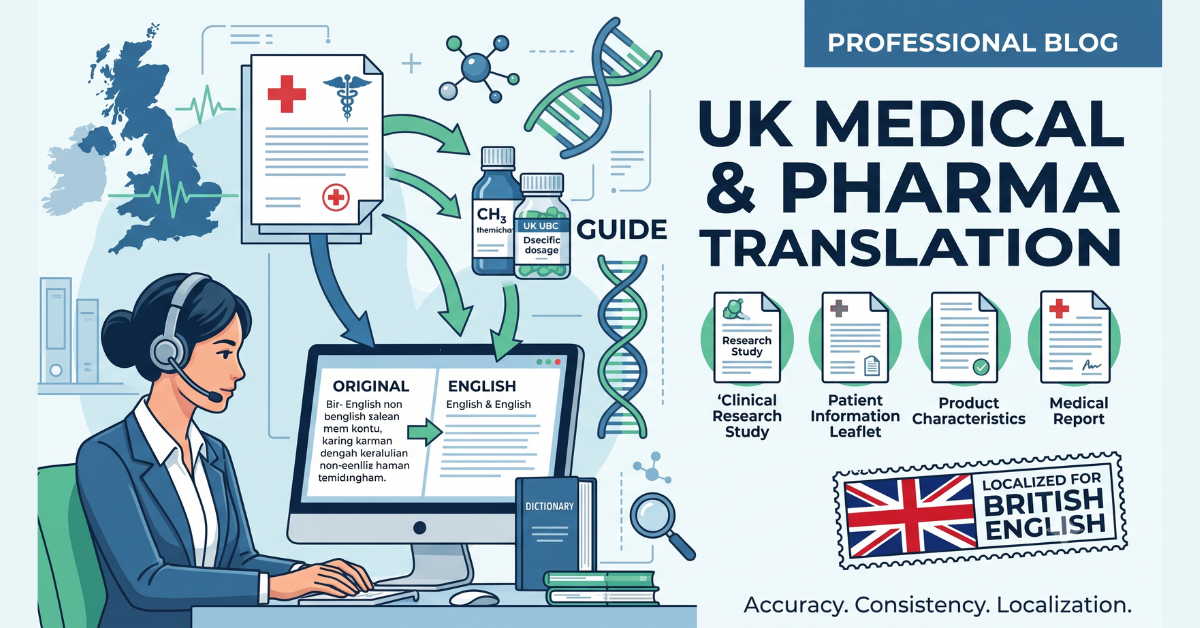
How to Translate Medical & Pharmaceutical Documents for the UK Market: A Practical Guide
Medical and pharmaceutical document translation requires far more than converting words from one language into another. Healthcare content often contains specialist terminology, clinical information, pharmaceutical names, dosage instructions, technical details, and patient-facing information where accuracy and consistency are essential.
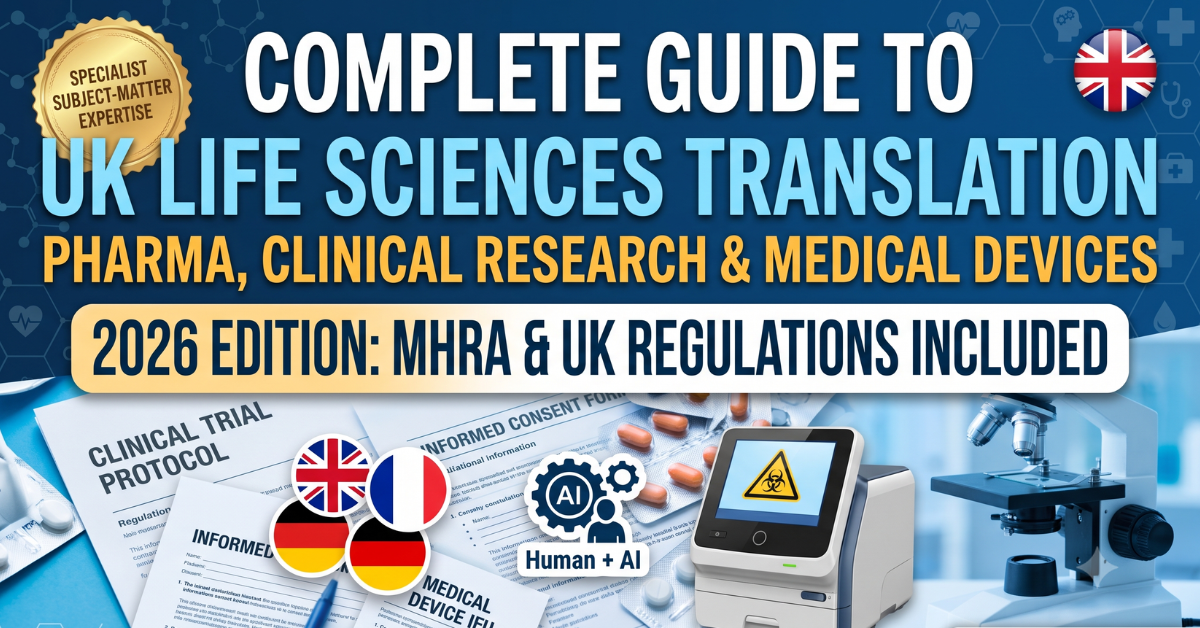
UK Life Sciences Translation: Pharma, Clinical Research & Medical Device Translation Guide
Life sciences translation services UK providers help organisations translate highly specialised scientific, medical, technical and regulatory content while preserving terminology, meaning, accuracy and consistency.
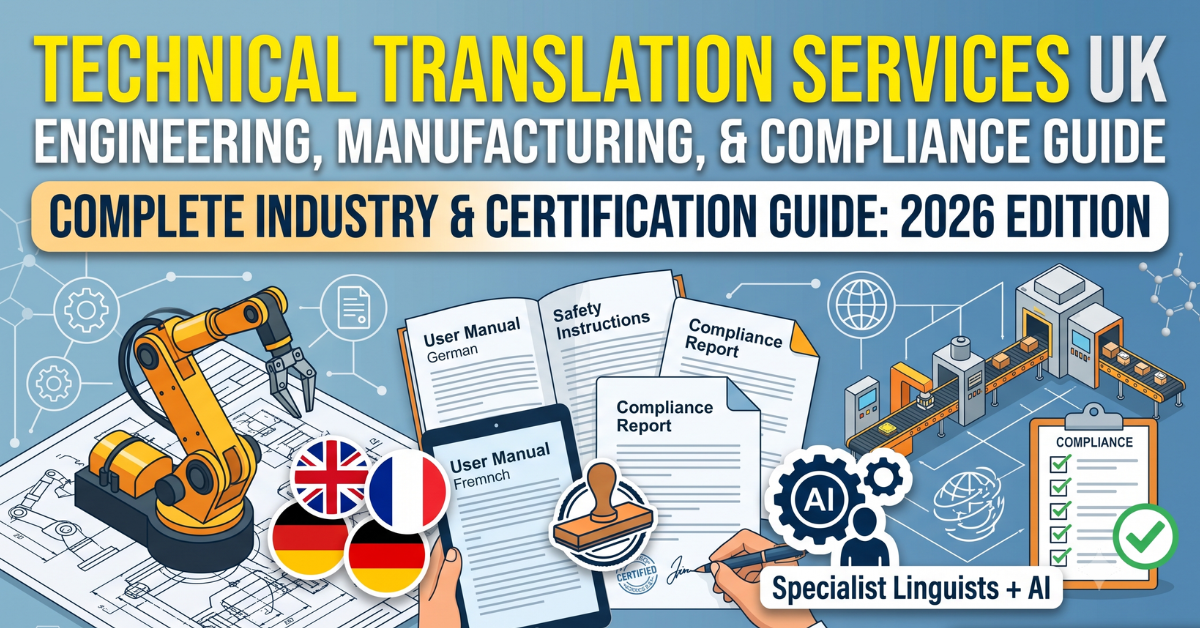
Technical Translation Services UK: A Complete Guide to Documents, Industries & Certification
Technical translation services UK help businesses translate complex documents while preserving technical terminology, meaning, instructions, formatting, and industry-specific information. These services are widely used in engineering, manufacturing, pharmaceuticals, healthcare, technology, scientific research, and other specialist sectors.
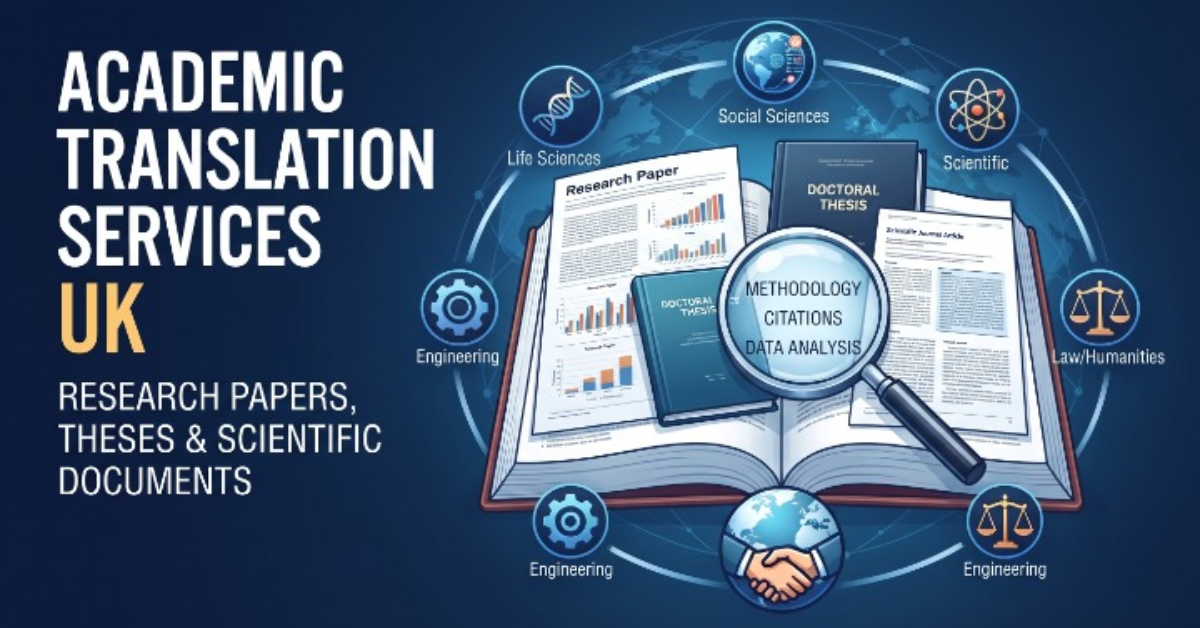
Academic Translation Services UK: Research Papers, Theses & Scientific Documents
Academic research increasingly crosses language and geographic boundaries. Students, researchers, universities, and academic institutions may need to translate research papers, PhD theses, dissertations, scientific documents, transcripts, certificates, and other academic materials for study, publication, collaboration, or international submission.
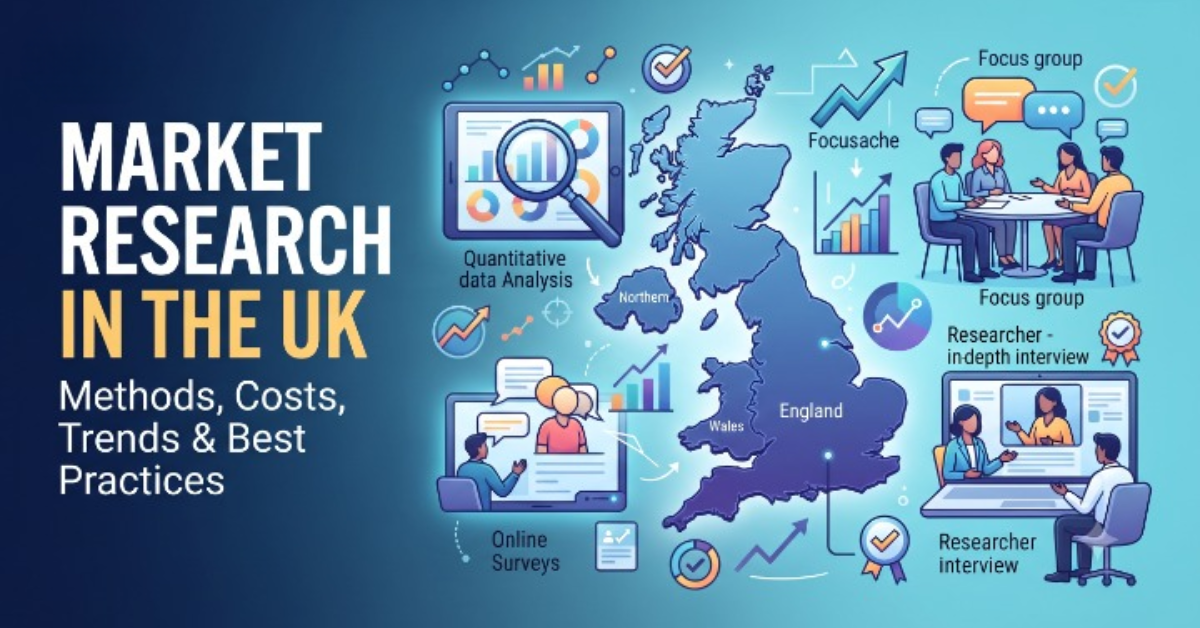
Market Research in the UK: Methods, Costs, Trends & Best Practices
Market research in the UK is the systematic process of collecting and analysing information about consumers, competitors, industries and market conditions to support better business and research decisions. Organisations use market research to understand customer needs, test products and services, identify opportunities, evaluate competitors and reduce the risks associated with important decisions.
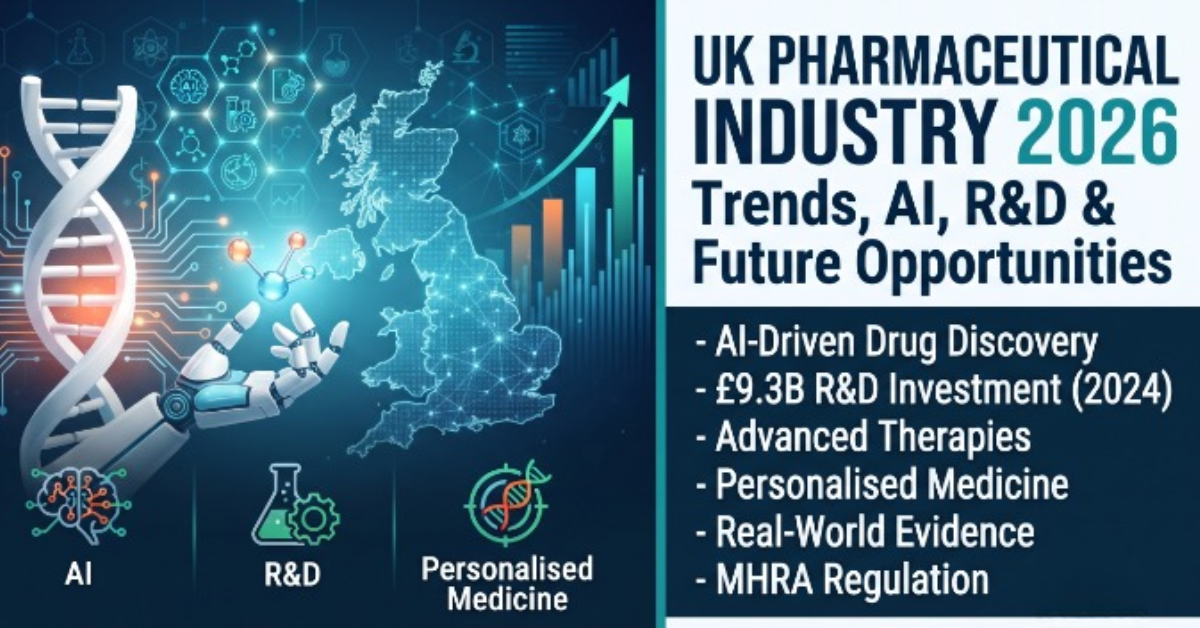
UK Pharmaceutical Industry 2026: Trends, AI, R&D and Future Opportunities
Discover the key UK pharmaceutical trends for 2026, including AI-driven R&D, personalised medicine, advanced therapies and the future of drug discovery.
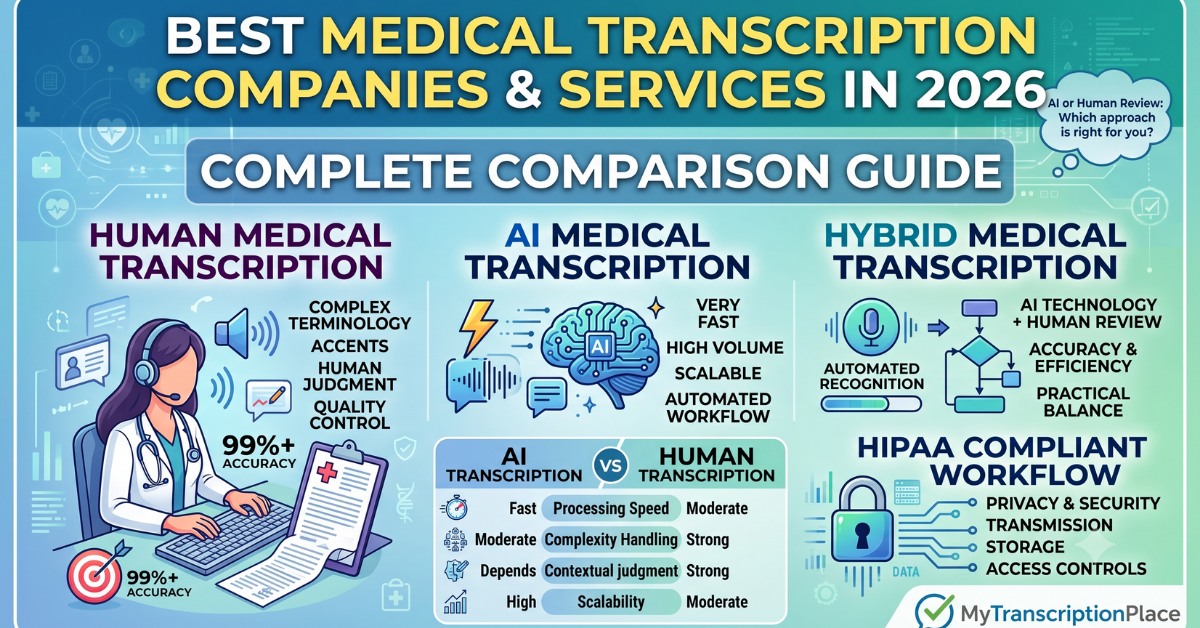
Best Medical Transcription Companies & Services in 2026: Complete Comparison Guide
Compare the best medical transcription companies and services in 2026, including human and AI transcription, accuracy, security, turnaround times and costs.
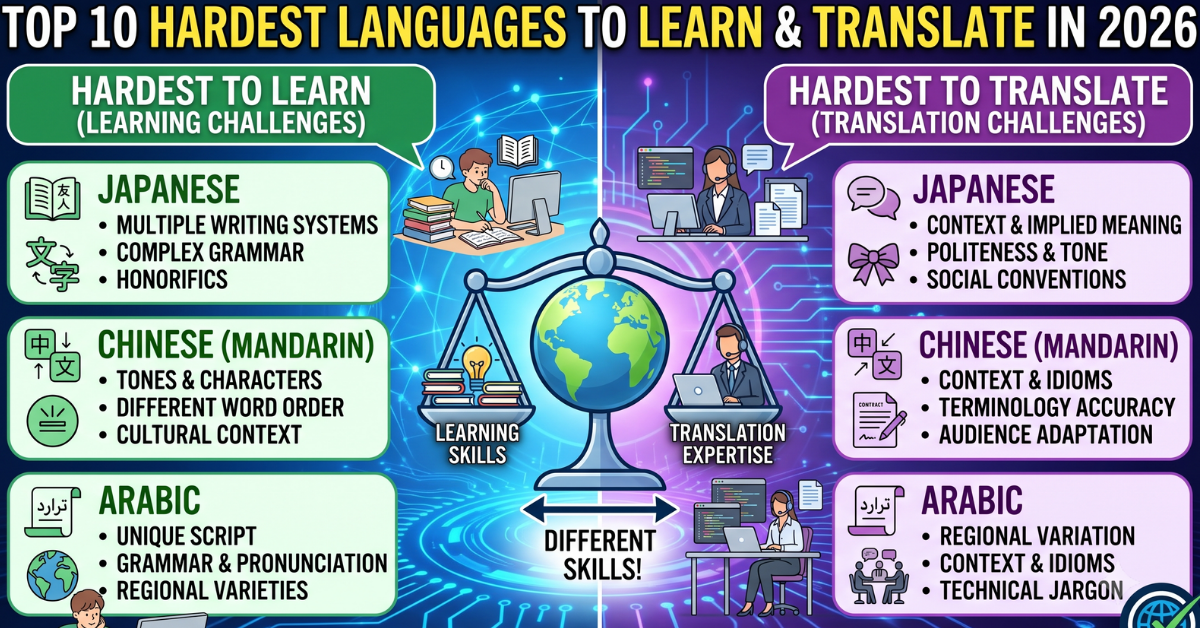
Top 10 Hardest Languages to Learn and Translate in 2026
Explore the hardest languages to learn and translate, and discover what makes languages like Arabic, Chinese, Japanese and Korean challenging for learners and translators.
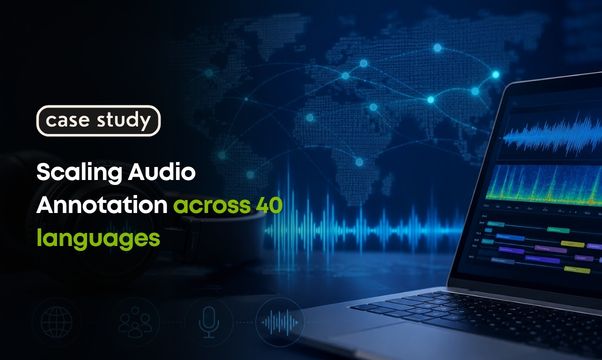
Scaling Audio Annotation Across 40 Languages: 150 Hours Delivered with 300+ Freelancers
Discover how audio annotation was successfully scaled across 40 languages, overcoming multilingual challenges while maintaining accuracy, consistency and efficiency.
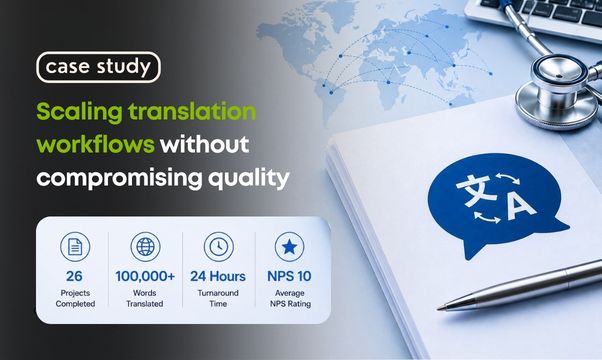
How myTranscriptionPlace Scaled Medical Translation for Global Research Projects
See how scalable translation workflows can handle growing multilingual demands without compromising quality, accuracy or consistency.
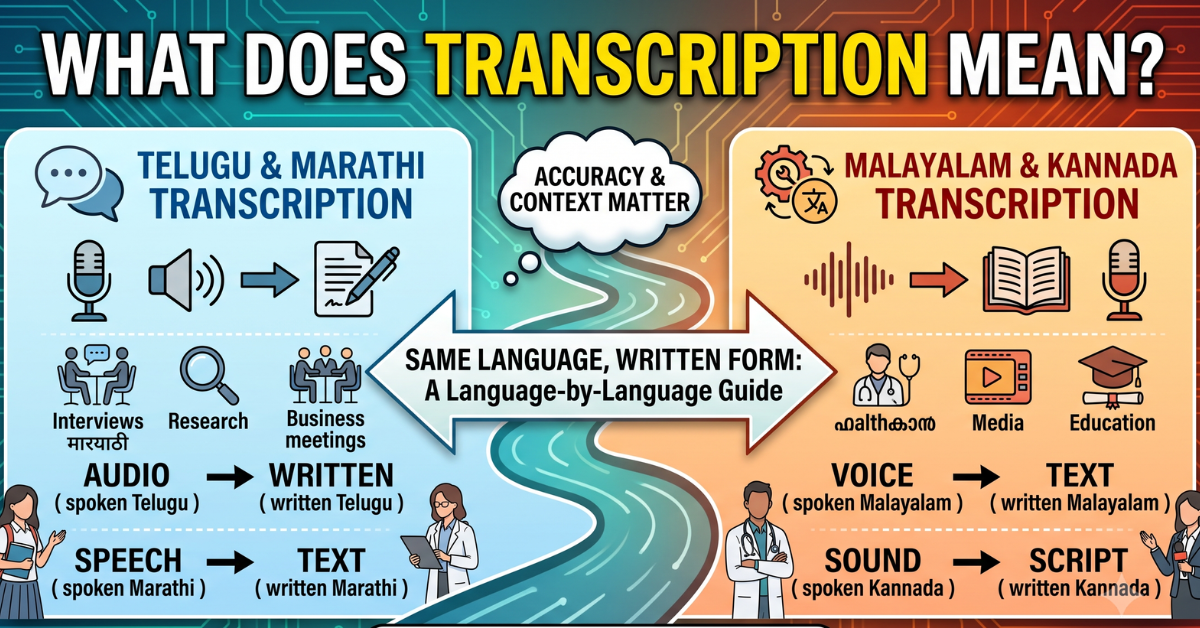
What Does Transcription Mean? A Language-by-Language Guide to Telugu, Marathi, Malayalam & Kannada
Learn what transcription is, how it works, the different types of transcription, and why accurate transcription matters for businesses and professionals.
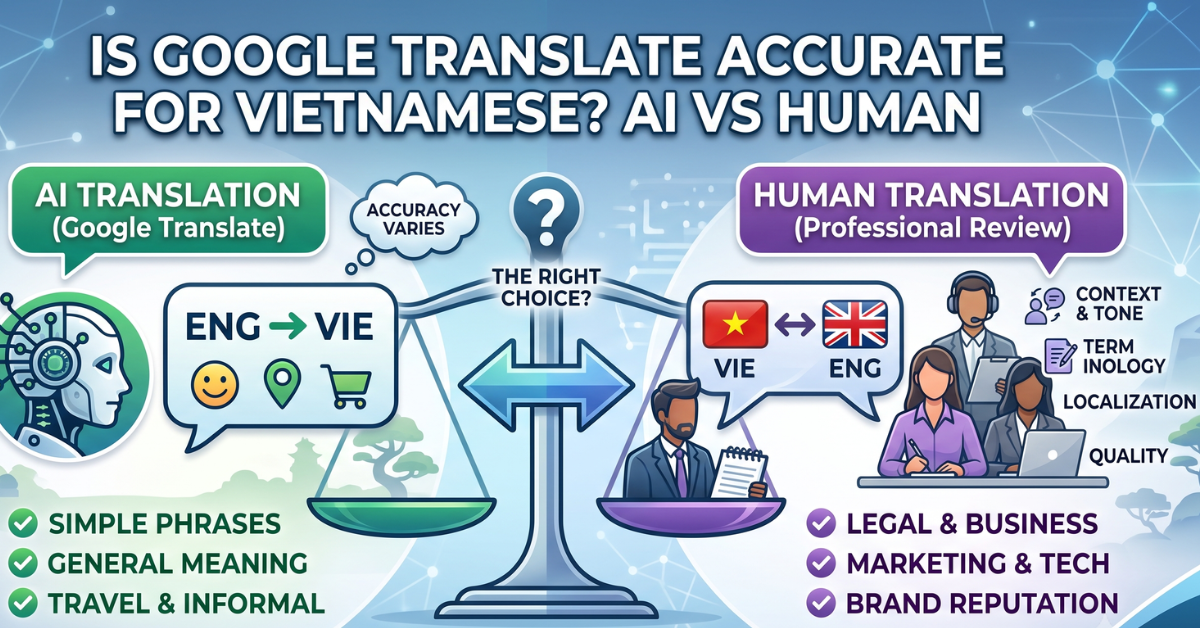
Is Google Translate Accurate for Vietnamese? AI vs Human Translation
Google Translate can be useful for translating simple English-to-Vietnamese phrases, everyday messages, and getting the general meaning of a text. However, its accuracy can vary when the content involves context, tone, cultural expressions, specialized terminology, or an important business or legal purpose.